- Category
- Knowledge Base
Date12 June 2026
Date20 May 2025
Photographing newborns is always a delicate, beautiful experience—but when siblings are involved, the session becomes even more heartwarming and complex. Capturing the bond between a newborn and their older siblings requires patience, planning, and a flexible approach. These images often become family treasures, showcasing the beginning of a lifelong connection. In this guide, we’ll explore effective strategies to create smooth, successful multi-child newborn sessions that highlight the tenderness and authenticity of sibling relationships.
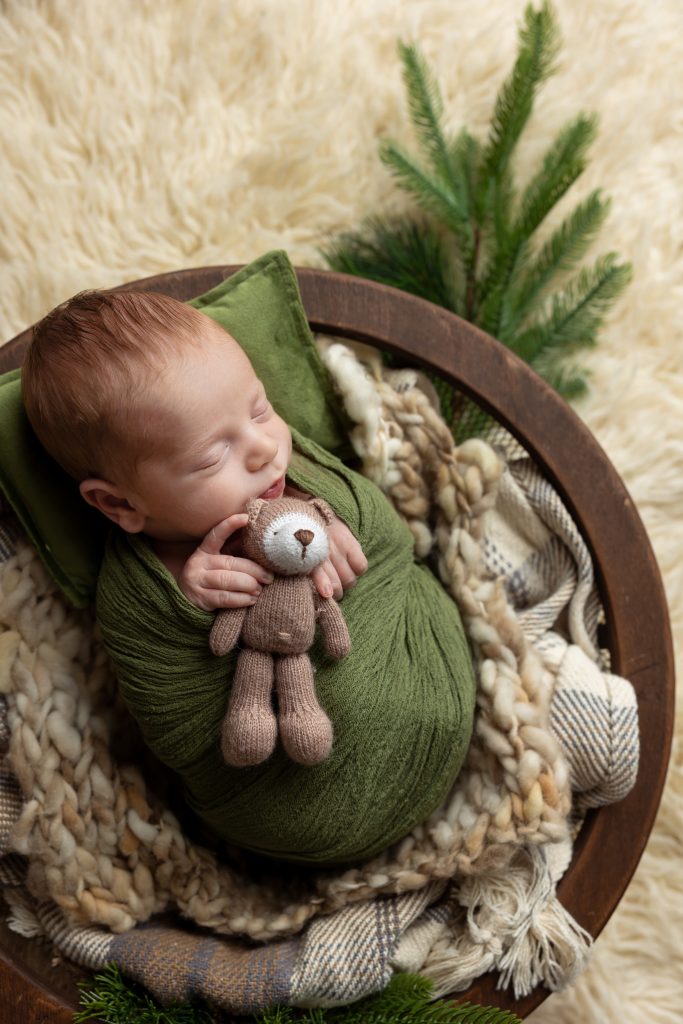
The key to a great multi-child newborn shoot is preparation. Communicate with parents ahead of time to understand the personalities, ages, and comfort levels of the older siblings. Knowing whether a toddler is shy, energetic, or needs extra encouragement can help you tailor your approach.
Ask parents to bring familiar items for the siblings—a favorite toy, a snack, or something that comforts them. This not only helps them feel at ease but can also serve as a playful tool during the shoot.
Schedule the session around nap times and feeding times whenever possible. A well-rested child is far more likely to cooperate, especially when they’re not the star of the show.
Children, especially toddlers, tend to have a short attention span. Begin the session by photographing the siblings together before they lose interest or become overwhelmed. Starting with the sibling shots also gives the older children a sense of involvement and importance.
Keep the setup simple—use soft, neutral backdrops and minimal props. The focus should remain on the interaction: a gentle touch, a curious glance, a shared cuddle. Don’t force poses. Let the moments unfold naturally, offering gentle guidance when needed.
If the sibling is hesitant to hold or get too close to the newborn, that’s perfectly okay. Position them side-by-side, or have the older child lie down next to the baby for a top-down perspective. Natural body language often leads to the most authentic photos.
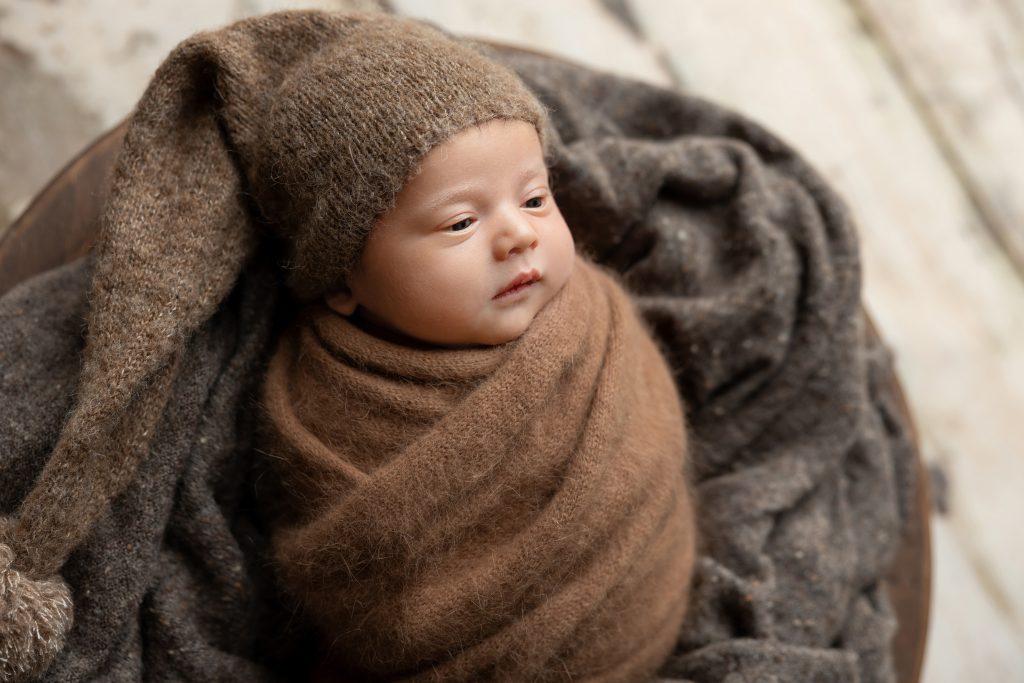
The studio environment should feel warm, safe, and peaceful. Keep lighting soft and consistent to avoid startling young children. Play quiet, calming background music and keep the room at a comfortable temperature for both the newborn and their siblings.
Have a space where the older children can play or rest when they’re not involved in the photos. Parents can supervise while you focus on individual newborn shots. Giving siblings a break shows respect for their needs and helps maintain a positive mood throughout the session.
The more relaxed everyone feels, the more natural the images will look.
Not every sibling photo needs to be perfectly posed. Some of the most cherished images come from unscripted moments—a toddler peeking into the crib, a sibling softly singing to the baby, or even a moment of mischief and giggles.
Let go of the need for perfection and focus on connection. If the sibling is active or restless, turn it into a moment. Capture them playing near the newborn or gently touching their toes. These spontaneous interactions often become the most memorable portraits.
Remember: a real moment speaks louder than a forced smile.
Avoid over-directing children. Instead, use playful prompts or questions to spark interaction. Ask, “Can you show me how you hug your baby?” or “Can you make your baby smile?” These kinds of cues feel like play and often result in genuine, tender expressions.
Use storytelling techniques to keep their attention. For example, pretend the newborn is a sleepy bear and the sibling is the forest protector. This imaginative approach keeps young kids engaged and adds emotional depth to the photos.
Praise often and celebrate little successes throughout the session to boost confidence and cooperation.
Take time to capture each child individually—even the older siblings. This makes them feel just as important and gives parents beautiful portraits of each stage in their children’s lives.
Use this time to make the older child feel special. Let them show off their favorite toy, make a funny face, or simply smile. These portraits can later be paired with sibling and family images to create a complete storytelling gallery.
Every child is different, and every session unfolds uniquely. Be ready to shift gears based on the energy in the room. If a sibling needs a break, pivot to newborn-only shots. If the baby needs feeding, switch to photos with the older children.
Go with the flow rather than sticking rigidly to a plan. A calm, adaptable photographer sets the tone for the entire session—and that calmness leads to better, more natural results.
Capture wide shots to show the full scene and tighter frames to highlight little details—like hands touching, faces snuggling, or matching facial features. Use different perspectives, like shooting from above or at child-eye level, to keep the session dynamic and emotionally rich.
Mixing posed compositions with candid moments gives parents a balanced gallery they’ll treasure.
Capturing sibling bonds in newborn sessions is both a creative challenge and a heartfelt opportunity. With the right approach, you can create images that beautifully reflect the unique connection between brothers and sisters—even in those earliest days.
Patience, preparation, and a genuine love for storytelling through photography will help you create portraits that families will cherish for a lifetime.