
- Category
- Knowledge Base
Date12 June 2026
Date16 April 2026
Minimalist spring studio photography is all about stripping things down to the essentials and letting the subject truly shine. Instead of overwhelming the frame with props, bold colors, or heavy styling, this approach focuses on simplicity, balance, and intention. Think soft tones, clean backgrounds, natural expressions, and subtle details that whisper rather than shout. It’s not just a style—it’s a mindset that prioritizes clarity and emotional connection over visual noise.
When you step into a minimalist studio setup, everything feels intentional. The lighting is soft but purposeful, the colors are cohesive, and every element in the frame has a reason to exist. This is especially powerful in portrait photography, where the goal is often to highlight personality and mood rather than distract the viewer with elaborate setups. The result? Images that feel timeless, elegant, and effortlessly modern.
Spring adds a unique twist to this minimalist approach. It brings in a sense of renewal, lightness, and freshness that perfectly complements the clean aesthetic. Soft pastels, airy whites, and gentle natural light become your best tools. The combination creates portraits that feel alive but never overwhelming—like a breath of fresh air captured in a single frame.
From a SEO perspective, keywords like minimalist portrait photography, spring studio photography, and clean portrait aesthetic are essential here because they reflect exactly what people are searching for. Whether you’re a professional photographer or someone experimenting at home, understanding this style opens up a whole new level of creative control.

At its core, minimalist photography is about subtraction. It’s about asking yourself, “What can I remove to make this image stronger?” Instead of adding more props or layers, you focus on refining what’s already there. This philosophy is rooted in the idea that less truly is more, especially when it comes to visual storytelling.
In practice, this means simplifying your composition, limiting your color palette, and focusing on a single subject or idea. For portrait photography, that often translates to isolating your subject against a clean background, using soft lighting, and avoiding distractions. The viewer’s attention goes exactly where you want it—no confusion, no clutter.
What makes minimalism powerful is how it enhances emotion. Without distractions, subtle expressions become more noticeable. A slight smile, a thoughtful gaze, or even the way light falls on the face can tell a deeper story. It’s like turning down the volume on everything else so the most important elements can be heard clearly.
Another important aspect is intentionality. Every detail, from the angle of the shot to the color of the backdrop, is carefully chosen. There’s no randomness here. Even negative space—the empty areas around your subject—plays a crucial role. It gives the image room to breathe and adds a sense of calm and balance.
For anyone diving into minimalist studio photography, embracing this philosophy is key. It’s not about doing less work; it’s about making smarter, more deliberate choices that elevate your final result.
Spring naturally aligns with the minimalist aesthetic in a way that feels almost effortless. After the heaviness of winter, everything becomes lighter, softer, and more vibrant—but not in an overwhelming way. This seasonal shift creates the perfect backdrop for clean and fresh studio portraits.
One of the biggest advantages of spring is the quality of light. Even when you’re shooting indoors, the natural light during this season tends to be softer and more diffused. It wraps around your subject gently, reducing harsh shadows and creating that dreamy, airy look that minimalist photography thrives on. Pair this with sheer curtains or light modifiers, and you’ve got a setup that feels both professional and organic.
Color also plays a huge role. Spring is known for its pastel tones—think soft pinks, muted greens, pale yellows, and gentle blues. These colors work beautifully in a minimalist setup because they add interest without overpowering the frame. They enhance the mood while still keeping the overall composition clean and cohesive.
There’s also an emotional element to consider. Spring symbolizes new beginnings, growth, and renewal. When you capture portraits during this season, there’s often a natural sense of optimism and lightness that comes through. This emotional layer adds depth to your images, making them feel more authentic and relatable.
From an SEO standpoint, incorporating terms like spring portrait ideas, fresh studio photography, and natural light portraits helps align your content with what people are actively searching for during this time of year. It’s not just about aesthetics—it’s about relevance.
Creating clean and fresh studio portraits isn’t about luck—it’s about mastering a few essential elements and bringing them together in a cohesive way. When done right, these elements work almost invisibly, allowing the subject to take center stage while everything else supports the overall mood.
The first thing to understand is that simplicity doesn’t mean boring. In fact, minimalist portraits often feel more engaging because they eliminate distractions. Every detail—from lighting to color to composition—needs to be carefully considered. It’s like cooking a dish with only a few ingredients; each one has to be perfect because there’s nowhere to hide.
Lighting is one of the most critical components. Soft, diffused light is your best friend here. Whether you’re using natural light from a window or a studio softbox, the goal is to create gentle shadows and smooth transitions. Harsh lighting can break the minimalist feel by adding unnecessary contrast and complexity.
Color harmony is another key factor. Stick to a limited palette that complements your subject rather than competing with them. Neutral tones, pastels, and earthy shades work particularly well. This doesn’t mean you can’t use color—it just means you use it intentionally.
Texture also plays a subtle but important role. While the overall look should remain clean, adding a bit of texture—like a linen backdrop or a soft knit sweater—can bring depth and interest without cluttering the frame.
Finally, consistency ties everything together. From the background to the wardrobe to the editing style, everything should feel like it belongs in the same visual world. This consistency is what transforms a simple portrait into a timeless piece of art.
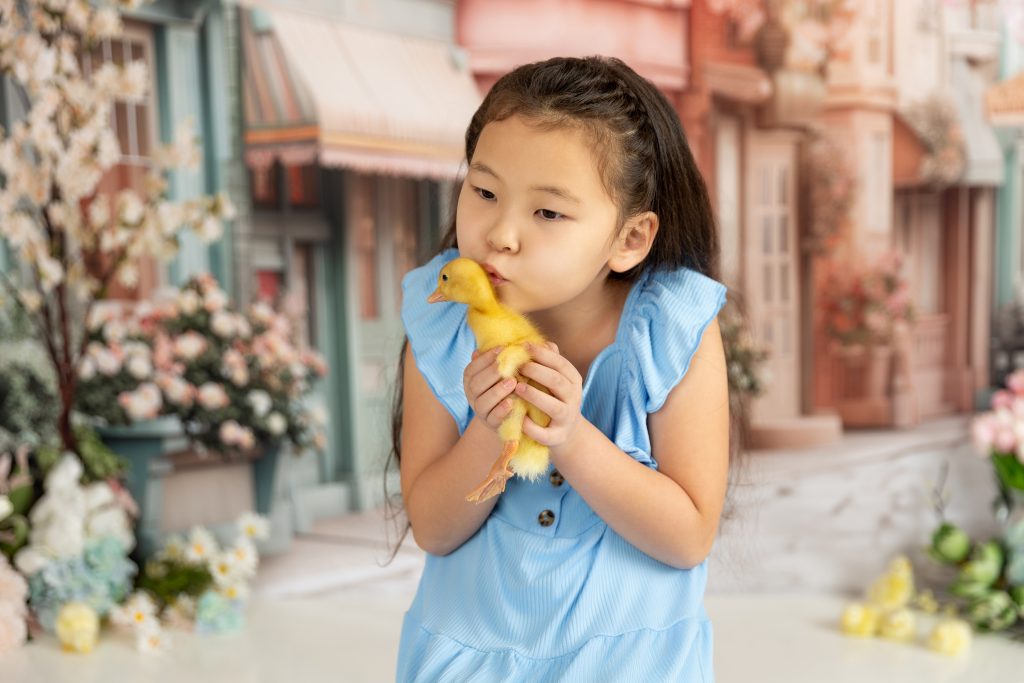
If there’s one thing that instantly defines minimalist spring studio photography, it’s the color palette. Neutral tones and soft pastels are the backbone of that clean, airy look everyone is chasing. We’re talking about shades like off-white, beige, light gray, soft blush, sage green, and dusty blue—colors that feel calm and effortless rather than loud or attention-grabbing. These tones don’t compete with your subject; they elevate them.
Think of your color palette like background music in a movie. If it’s too intense, it distracts from the story. But when it’s subtle and well-balanced, it enhances every emotion. That’s exactly what neutral tones do in portrait photography. They create harmony in the frame and allow the viewer to focus on the subject’s expression, posture, and personality.
Another reason soft tones work so well is that they reflect light beautifully. Lighter colors bounce light around the studio, helping you achieve that bright, fresh aesthetic without needing overly complex lighting setups. This is especially useful if you’re working in a smaller space or with limited equipment.
When styling your shoot, try to keep your color palette consistent across all elements—background, clothing, and even props (if you use any at all). A mismatch in tones can break the minimalist feel instantly. You don’t need everything to match perfectly, but it should feel cohesive, like everything belongs in the same visual story.
From an SEO standpoint, phrases like “neutral color portrait photography,” “soft tone studio portraits,” and “minimalist color palette photography” are highly relevant and help your content align with what photographers and creatives are actively searching for.
Lighting can make or break your minimalist portrait. The good news? You don’t need a complicated setup to achieve stunning results. In fact, the simpler your lighting, the better it usually works for this style.
Natural light is often the go-to choice for spring studio photography. There’s something about daylight—especially during spring—that feels soft, flattering, and incredibly organic. Position your subject near a large window, use sheer curtains to diffuse the light, and you’ve got a setup that looks professional without feeling overproduced. The light wraps around the face gently, creating smooth shadows and a natural glow.
That said, studio lighting has its own advantages. With tools like softboxes, umbrellas, or LED panels, you get complete control over your lighting conditions. This is especially helpful if you’re shooting on a cloudy day or in a space without good natural light. The key is to mimic the softness of natural light—avoid harsh, direct lighting and aim for a diffused, even look.
A popular setup for minimalist portraits is a single light source positioned at a 45-degree angle to the subject. This creates depth without adding complexity. You can also use a reflector on the opposite side to bounce light back and soften shadows even more.
Here’s a quick comparison:
| Lighting Type | Pros | Cons |
| Natural Light | Soft, organic, easy to use | Less control, weather dependent |
| Studio Light | Consistent, controllable | Requires setup and equipment |
Ultimately, the choice between natural and studio lighting depends on your environment and workflow. Both can produce beautiful, clean portrait photography results when used thoughtfully.
The background in a minimalist portrait isn’t just a backdrop—it’s part of the storytelling. And in this style, less is always more. The goal is to create a clean, distraction-free environment that supports your subject without stealing attention.
Seamless paper backdrops are a classic choice for a reason. They’re smooth, consistent, and available in a wide range of neutral and pastel colors. White, cream, and soft gray are especially popular for minimalist studio photography because they create a bright and airy feel. Plus, they’re incredibly versatile—you can light them differently to create subtle variations in tone and depth.
Textured walls, on the other hand, add a bit more character while still keeping things simple. Think plaster walls, lightly painted surfaces, or even concrete with a soft finish. These textures introduce visual interest without overwhelming the frame. It’s like adding a hint of spice to a dish—you notice it, but it doesn’t dominate.
One thing to keep in mind is consistency. If your background has too much variation or strong patterns, it can pull attention away from your subject. The key is subtlety. You want the background to feel like it belongs, not like it’s competing for attention.
Minimalism doesn’t mean you have to avoid props entirely—it just means you use them sparingly and intentionally. When it comes to spring portrait photography, a few carefully chosen elements can add a seasonal touch without breaking the clean aesthetic.
For example, a single stem of a flower, a small bouquet in soft tones, or even a hint of greenery can bring life into the frame. The trick is to keep it simple. You’re not creating a full floral arrangement; you’re adding a subtle accent that enhances the mood.
Another idea is to play with textures that evoke spring—light fabrics, linen drapes, or even a softly wrinkled curtain can add depth while maintaining that airy feel. These elements can be used in the background or as part of the composition without becoming the focal point.
It’s all about balance. You want the viewer to feel the essence of spring without immediately focusing on the props. When done right, these subtle touches make your portraits feel fresh, natural, and timeless.
Wardrobe plays a huge role in shaping the final look of your portrait. In minimalist photography, clothing should complement the subject, not dominate the frame. This means avoiding bold patterns, loud logos, or anything that distracts from the overall composition.
Instead, go for simple, well-fitted pieces in neutral or pastel tones. Think plain t-shirts, soft sweaters, flowy dresses, or structured shirts in colors that align with your chosen palette. The goal is to create a cohesive look where everything feels intentional and balanced.
Texture can add interest without adding clutter. A knit sweater, a linen shirt, or a cotton dress can bring depth to the image while still keeping things clean. It’s a subtle way to make the portrait feel more dynamic without breaking the minimalist aesthetic.
Hair and makeup should follow the same philosophy as everything else—keep it simple and natural. The goal isn’t to transform the subject but to enhance their existing features in a way that feels effortless.
For makeup, think light foundation, soft blush, neutral tones, and a natural lip color. Avoid heavy contouring or dramatic eye looks, as they can feel out of place in a minimalist setup. The idea is to create a fresh, glowing appearance that complements the soft lighting and clean background.
Hair should also look natural and relaxed. Loose waves, simple styles, or even slightly messy hair can work beautifully. The key is to avoid anything overly styled or rigid.
One of the defining traits of minimalist spring studio photography is the intentional use of negative space. At first glance, it might seem like “empty space,” but in reality, it’s doing a lot of heavy lifting. Negative space gives your subject room to breathe, both visually and emotionally. It creates balance, reduces clutter, and naturally draws the viewer’s eye exactly where you want it.
Imagine placing your subject slightly off-center with a large portion of soft, clean background surrounding them. That open space doesn’t feel empty—it feels calm, almost like silence in music. It gives the image a sense of sophistication and quiet confidence. This is what transforms a simple portrait into something that feels timeless and editorial.
Framing works hand-in-hand with negative space. In a minimalist setup, framing is often subtle—using elements like soft shadows, light falloff, or even the subject’s own posture to guide the viewer’s attention. You don’t need physical frames or props. Sometimes, the way light wraps around a face or fades into the background is enough to create a natural frame.
A useful trick is to step back and evaluate your shot before clicking the shutter. Ask yourself: “Is everything in this frame necessary?” If something doesn’t add value, remove it. This constant refinement is what makes minimalist composition so powerful.
From an SEO angle, phrases like “negative space photography,” “minimalist composition techniques,” and “clean portrait framing” are key terms that align perfectly with this topic and attract the right audience.
The rule of thirds is one of the most fundamental composition techniques, and it works beautifully within a minimalist framework. The idea is simple: divide your frame into a 3×3 grid and place your subject along those lines or at their intersections. This creates a more dynamic and visually pleasing image compared to centering everything.
In minimalist portraits, this technique becomes even more impactful because there are fewer elements competing for attention. When you place your subject off-center, the surrounding negative space enhances the composition rather than distracting from it. It creates a sense of balance that feels natural and effortless.
That said, minimalism also gives you the freedom to break the rules. Centered compositions can work incredibly well, especially when paired with symmetry and clean backgrounds. The key is intentionality—whether you follow the rule of thirds or not, your choice should feel deliberate.
Another thing to consider is eye placement. In portrait photography, the eyes are often the focal point. Positioning them along the upper third line can create a strong connection with the viewer and make the image feel more engaging.
Getting your camera settings right is essential for achieving that clean, fresh portrait look. The good news is you don’t need overly complicated settings—just a solid understanding of the basics.
Let’s start with aperture. For minimalist portraits, a wider aperture (like f/1.8 to f/2.8) is often preferred because it creates a shallow depth of field. This helps blur the background slightly, keeping the focus on your subject while maintaining that soft, dreamy aesthetic. However, if you’re shooting multiple subjects or want more of the frame in focus, you might go up to f/4 or f/5.6.
ISO should be kept as low as possible to maintain image quality. In a well-lit studio environment, you can usually stick to ISO 100 or 200. This minimizes noise and keeps your image crisp and clean—exactly what you want in minimalist studio photography.
Shutter speed depends on your lighting conditions, but a good rule of thumb is to keep it fast enough to avoid motion blur—typically around 1/125 or higher for portraits. If you’re using studio lights, your shutter speed will often sync with your flash settings.
Here’s a quick reference table:
| Setting | Recommended Range | Purpose |
| Aperture | f/1.8 – f/4 | Subject focus, background blur |
| ISO | 100 – 200 | Image clarity, low noise |
| Shutter Speed | 1/125+ | Sharpness, motion control |
Understanding how these three settings work together gives you full control over your image, allowing you to create that polished, professional look consistently.
Your lens choice can dramatically impact the final result of your portrait. For minimalist spring studio photography, you want a lens that flatters your subject while maintaining a natural perspective.
Prime lenses are often the go-to option. A 50mm lens is incredibly versatile and works well for both full-body and close-up shots. If you’re looking for more compression and background blur, an 85mm lens is a favorite among portrait photographers. It creates a flattering perspective and helps isolate the subject beautifully.
Zoom lenses can also be useful, especially if you need flexibility in a smaller studio space. However, prime lenses tend to offer sharper images and wider apertures, which are ideal for this style.
Editing is where everything comes together. Even with perfect lighting and composition, a thoughtful editing process can elevate your image from good to exceptional. For spring portrait photography, the goal is to enhance the natural tones without overdoing it.
Start by adjusting your white balance to ensure your colors look accurate and consistent. Then, focus on creating a soft, airy feel by slightly increasing exposure and reducing contrast. This helps maintain that light, fresh aesthetic.
When it comes to color grading, lean into soft pastels and muted tones. You can subtly adjust hues to bring out those spring vibes—slightly warmer skin tones, gentle greens, and soft pink highlights. The key is subtlety. If your edits are noticeable, you’ve probably gone too far.
Retouching should enhance, not erase. In minimalist photography, authenticity is everything. Over-smoothing skin or removing every imperfection can make your subject look unnatural and plastic.
Focus on small, meaningful adjustments—removing temporary blemishes, softening shadows, and evening out skin tones while preserving texture. The goal is to keep your subject looking like themselves, just on their best day.
Even though minimalist studio photography seems simple, there are a few common pitfalls that can quickly ruin the effect. One of the biggest mistakes is overcomplicating the setup. Adding too many props, colors, or elements can break the clean aesthetic and make the image feel cluttered.
Another mistake is poor lighting. Harsh shadows or uneven lighting can distract from the subject and disrupt the overall mood. Always aim for soft, diffused light that complements your composition.
Inconsistent styling is another issue. If your background, wardrobe, and color palette don’t align, the image can feel disjointed. Everything should work together harmoniously.
Minimalist spring studio photography is more than just a trend—it’s a timeless approach that emphasizes clarity, emotion, and intentionality. By focusing on clean compositions, soft lighting, and thoughtful styling, you can create portraits that feel fresh today and still look relevant years from now.