
- Category
- Knowledge Base
Date12 June 2026
Date16 April 2026
There’s a reason spring-inspired studio backdrops instantly feel inviting—they tap into something deeply familiar. Even when you’re shooting indoors, recreating elements of nature triggers a sense of calm, warmth, and comfort. It’s almost like bringing a breath of fresh air into a controlled environment.й
People naturally associate spring with renewal, softness, and light. So when those elements show up in a photo—whether through color, texture, or composition—the image feels emotionally rich without trying too hard. That’s the real power of a well-designed backdrop. It doesn’t just sit behind the subject; it shapes the entire mood.
In studio photography, where everything is intentional, this psychological effect becomes even more important. You’re essentially building a “fake reality” that still feels believable. And the more natural it looks, the more viewers connect with it.
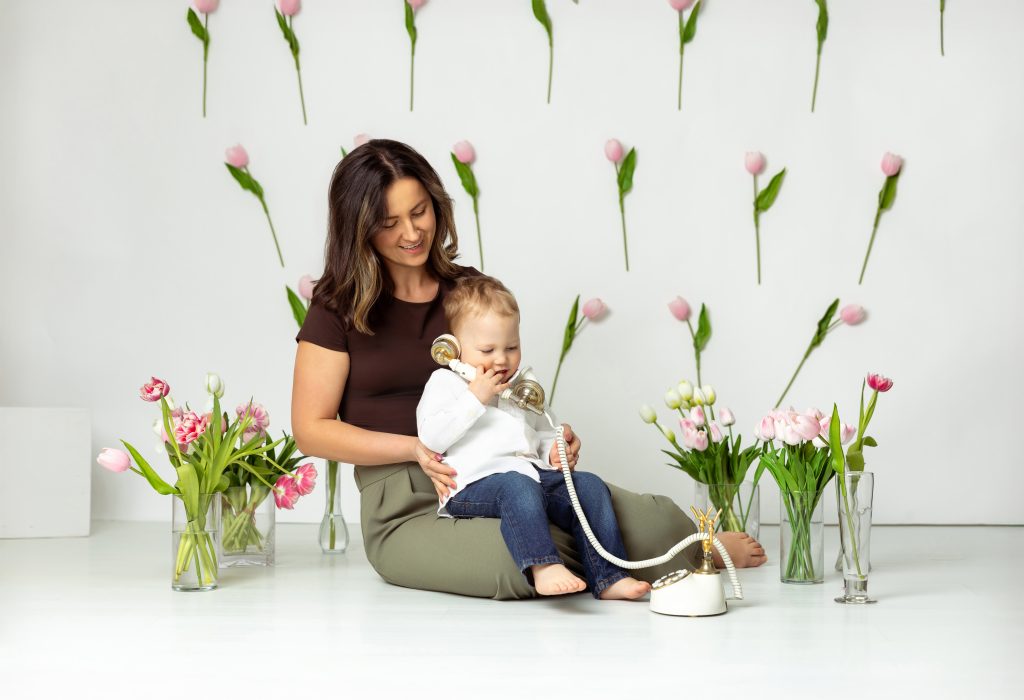
This is especially true for family and baby photography, where authenticity matters more than perfection. A backdrop that feels like a soft spring morning can make the entire image feel more genuine—even if it was shot in a small studio with artificial light.
Here’s the surprising part: the most effective spring studio backdrops are often the simplest ones. It’s easy to assume that more elements equal better results, but in reality, simplicity creates clarity—and clarity creates impact.
When a backdrop is too busy, it competes with the subject. Your eye doesn’t know where to land. But when it’s clean and intentional, it supports the subject instead of overshadowing them.
Spring themes naturally lend themselves to minimalism. Soft colors, gentle textures, and subtle details can create a strong visual presence without overwhelming the frame. A few well-placed elements—a draped fabric, a hint of greenery, a touch of light—can do more than an elaborate setup ever could.
The key is balance. Every element should feel like it belongs. Nothing should feel random or forced. When you get that balance right, the result is a backdrop that feels effortless but looks incredibly polished.
Color sets the tone—literally. In spring studio photography, your backdrop’s color palette can completely change the mood of your images.
Soft pastels are the go-to choice for many photographers, and for good reason. Blush pink, baby blue, lavender, and mint green all evoke that light, airy feeling we associate with spring. They’re gentle, flattering, and easy to work with.
But neutrals shouldn’t be overlooked. Shades like ivory, beige, taupe, and soft gray can create a more timeless and sophisticated look. They also pair beautifully with natural light and allow the subject to stand out more clearly.
Here’s a quick comparison:
| Palette Type | Mood | Best For |
| Pastels | Soft, dreamy, playful | Baby & family sessions |
| Neutrals | Calm, timeless, elegant | Portraits & lifestyle shoots |
The choice really depends on your style and the story you want to tell.
A great spring backdrop setup isn’t just about picking pretty colors—it’s about creating a cohesive story. Every element in your frame should feel connected, from the background to the subject’s outfit to the smallest prop.
Start with one dominant color and build around it. Then add one or two complementary tones to create depth without clutter. This keeps the look clean and intentional.
Avoid mixing too many colors, even if they’re all “spring-like.” Too much variety can make the image feel chaotic rather than harmonious.
Also, think about how colors interact with light. Softer tones reflect light more gently, which enhances that airy spring aesthetic. Darker colors absorb light, which can make the scene feel heavier.
Fabric is one of the most versatile tools for creating natural-looking studio backdrops. It’s affordable, flexible, and incredibly effective when used right.
Simple drapes or curtains can instantly mimic the look of a window-lit room. Hang them loosely, let them flow naturally, and avoid making them look too “perfect.” The slight imperfections are what make the scene feel real.
Sheer fabrics work especially well because they diffuse light beautifully. When light passes through them, it creates that soft glow that’s so characteristic of spring.
You can also experiment with layering different types of fabric. A sheer curtain over a solid backdrop adds depth without adding visual clutter.
Flat backdrops can feel lifeless. That’s where layering comes in. By combining different materials, you create a sense of dimension that makes your images more engaging.
Think of it like building a scene rather than just setting a background. A base layer, a mid-layer, and a few subtle accents can transform a simple setup into something visually rich.
Textures like linen, cotton, and muslin are perfect for this. They’re soft, natural, and photograph beautifully.
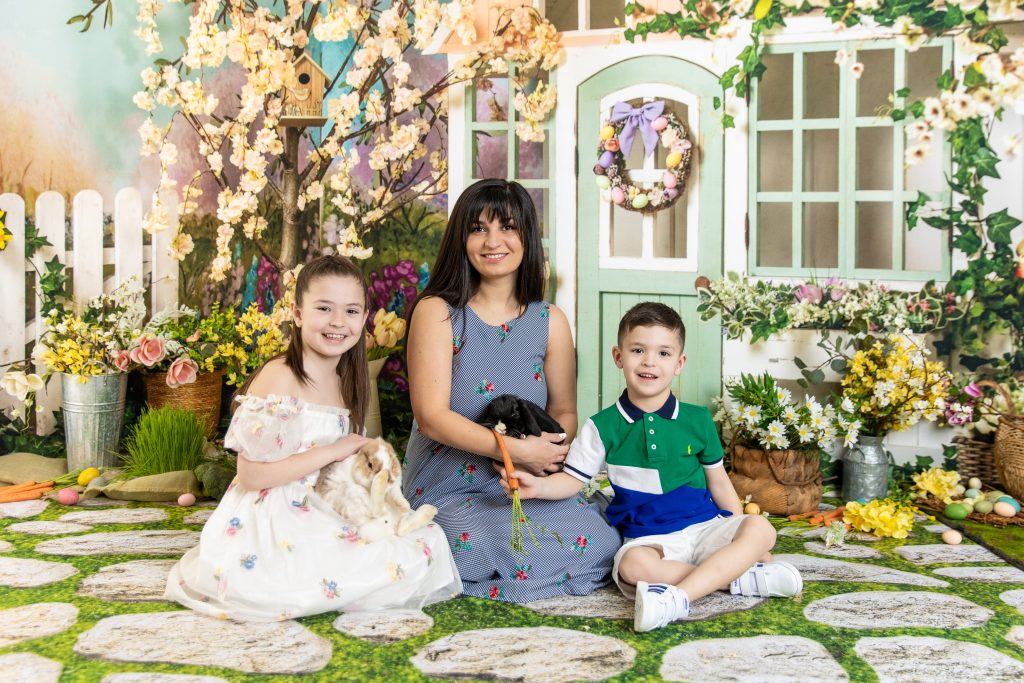
Flowers and spring go hand in hand, but when it comes to studio backdrops, less really is more. A few carefully placed blooms can create a stronger impact than an entire wall covered in flowers.
Try placing flowers asymmetrically—like a small cluster in one corner or a vertical arrangement along one side. This keeps the composition dynamic without overwhelming the subject.
Both options have their pros and cons. Real flowers offer authenticity and subtle imperfections that look beautiful on camera. But they’re short-lived and harder to control.
Faux flowers, on the other hand, are durable, reusable, and often indistinguishable from real ones in photos. For most studio photography setups, they’re the more practical choice.
One of the easiest ways to make spring-inspired studio backdrops feel authentic is by introducing greenery. There’s just something about soft leaves, delicate stems, and natural shapes that instantly shifts the mood from “studio” to “outdoors.” And the best part? You don’t need much to make it work.
Start small. A few sprigs of eucalyptus, olive branches, or light greenery placed strategically can create a surprisingly strong visual impact. You can frame your subject with them, place them slightly out of focus in the foreground, or let them gently spill into the background. These subtle touches add dimension and make the scene feel alive.
Branches are another underrated element. Thin, airy branches with small buds or blossoms can mimic early spring in a very minimal, elegant way. They add height and structure without cluttering the frame. It’s almost like sketching nature into your setup rather than recreating it fully.
The key here is restraint. Too much greenery can quickly turn your clean studio look into something chaotic. You’re not building a jungle—you’re suggesting nature. And when done right, that suggestion feels more powerful than an overly detailed setup.
If greenery adds life, then wood adds grounding. Incorporating natural textures like wood into your backdrop helps balance the softness of spring elements. It creates contrast in a way that feels organic, not forced.
Think wooden stools, crates, benches, or even a lightly textured wood panel as part of your background. These elements introduce warmth and make the scene feel more tactile. You’re adding something that looks and feels real, which enhances the overall authenticity of the image.
What’s interesting is how wood interacts with soft fabrics and pastel tones. The combination creates a layered, almost storytelling effect—like a cozy indoor space that’s been gently touched by spring.
You can also experiment with unfinished or lightly distressed wood for a more rustic feel, or smooth, pale wood for a cleaner, modern aesthetic. Both work beautifully—it just depends on the mood you’re going for.
Natural light is one of the defining features of spring photography, but in a studio, you have to recreate it. The goal isn’t just to light your subject—it’s to mimic the feeling of sunlight streaming through a window.
Start by positioning your main light source to the side, as if it’s coming from an imaginary window. This creates soft shadows and gives the image depth. Front lighting tends to flatten everything, while side lighting adds dimension and realism.
Using diffusers is essential here. Spring light is never harsh—it’s soft, gentle, and slightly warm. Large softboxes or sheer diffusion panels can help you achieve that effect. The bigger and softer your light source, the more natural it will look.
You can also play with subtle highlights. Let light fall unevenly across the backdrop or floor to mimic how sunlight behaves in real spaces. These imperfections are what make the scene believable.
Even the most beautiful studio backdrop can feel artificial if it’s not positioned thoughtfully. Placement matters just as much as design.
Try setting your backdrop at a slight angle rather than perfectly flat. This creates depth and helps the light interact with it more naturally. You can also leave small gaps or transitions between elements—like where fabric meets the floor—to avoid that “staged” look.
Another trick is to create layers within your backdrop. For example, place a sheer curtain slightly in front of a solid background. This adds a sense of distance and mimics how real environments are structured.
The goal is to make the viewer forget they’re looking at a studio setup. When everything is positioned with intention, the illusion becomes effortless.
Not every photographer has a large studio—and honestly, you don’t need one. Some of the most creative spring backdrop ideas come from working in small spaces.
The secret is designing setups that can serve multiple purposes. A simple corner with a fabric backdrop, a small prop, and a touch of greenery can be rearranged in different ways to create entirely new looks.
For example, rotate your setup slightly, adjust the lighting angle, or swap out a single element like a chair or basket. Suddenly, you have a fresh composition without rebuilding everything from scratch.
This approach saves time, space, and energy—while still giving you variety in your photos.
In a small studio, less isn’t just more—it’s necessary. Overloading the space with props or large backdrops can make everything feel cramped and overwhelming.
Instead, focus on a few key elements that work well together. A soft fabric, a hint of greenery, and good lighting can go a long way. When each piece has a purpose, the entire setup feels intentional and clean.
Minimal setups also make it easier to keep the focus on your subject. And at the end of the day, that’s what really matters.
A beautiful spring studio backdrop can lose its impact if the subject’s outfit doesn’t align with it. Styling and background should work together, not compete.
If your backdrop is soft and neutral, you can introduce slightly more color in the outfit—while still staying within a cohesive palette. If the backdrop already has color, keep outfits more muted to balance things out.
The goal is harmony. Everything in the frame should feel like it belongs together.
Props should support the scene, not steal the spotlight. A small stool, a soft blanket, or a simple basket can add context without overwhelming the composition.
Avoid using too many props at once. Each item should have a clear purpose. If it doesn’t add to the story, it’s better to leave it out.
Creating spring-inspired studio backdrops that feel natural indoors isn’t about copying the outdoors—it’s about capturing its essence. Soft colors, light textures, subtle greenery, and thoughtful lighting all come together to create something that feels real, even within a controlled space.
The magic lies in simplicity. When you focus on a few well-chosen elements and let them work together, you get images that feel effortless, fresh, and emotionally engaging.
And that’s what makes spring photography so special—it doesn’t try too hard. It just feels right.