- Category
- Knowledge Base
Date12 June 2026
Date16 April 2026
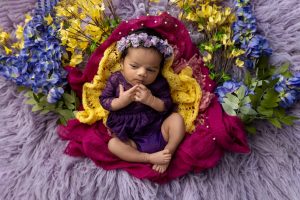
Spring just has that feeling, right? It’s fresh, hopeful, and full of life—which makes it a perfect match for baby photography. When you think about newborns or infants, you naturally associate them with beginnings, growth, and softness. That’s exactly what spring represents. So when you combine those two ideas, you get images that instantly connect on an emotional level.
Parents are especially drawn to spring baby photoshoots because they feel timeless. Soft blooms, gentle colors, and light textures create a dreamy environment that doesn’t go out of style. Unlike trend-heavy themes, spring setups tend to age gracefully. A photo taken today will still look relevant and beautiful years down the line, which is something every parent values.
There’s also a storytelling element here. Spring setups often symbolize new chapters—something that resonates deeply with families welcoming a new baby. Whether it’s delicate flowers representing growth or soft sunlight mimicking warmth and care, these elements help create a narrative without saying a word.
From a photographer’s perspective, spring themes are incredibly versatile. You can go minimal or elaborate, rustic or modern, and still keep that magical vibe intact. That flexibility makes it easier to tailor each session to the family’s personality while maintaining a cohesive aesthetic.
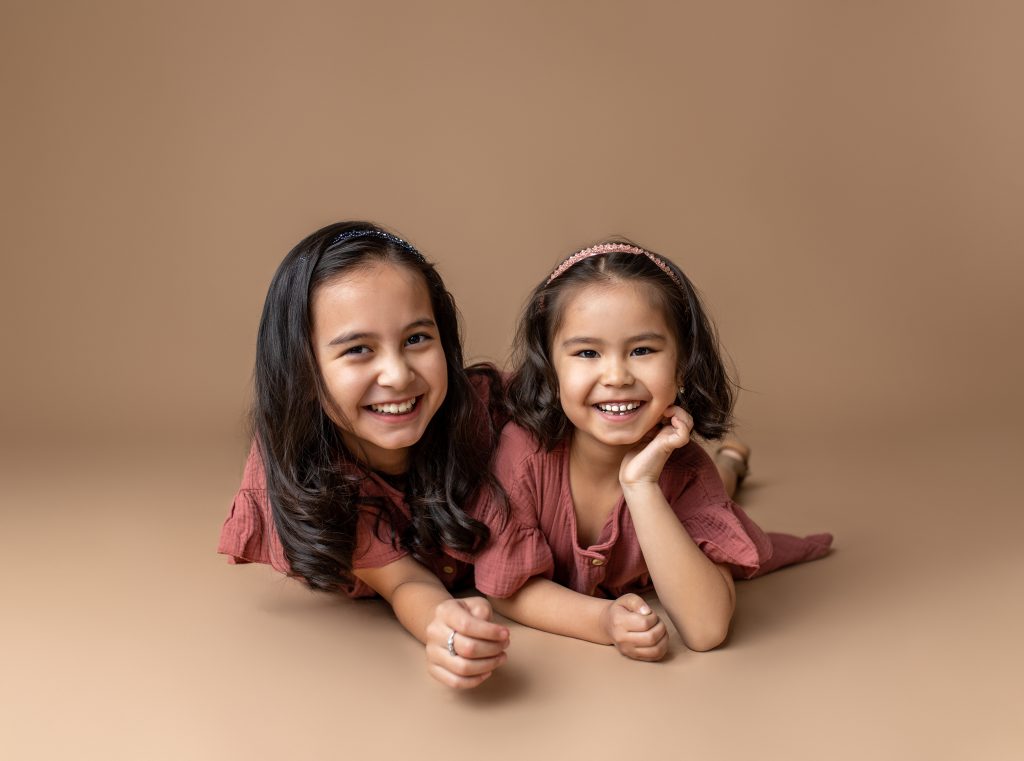
When it comes to spring studio baby photography, color is everything. Think soft pastels—blush pinks, baby blues, mint greens, creamy yellows. These tones are gentle on the eyes and complement a baby’s natural softness without overwhelming the frame.
Textures play an equally important role. Spring isn’t just about color—it’s about feel. Light cotton fabrics, airy tulles, soft knits, and even subtle lace can add depth without making the scene look cluttered. The goal is to create layers that feel cozy but still breathable, almost like the visual equivalent of a warm spring breeze.
A smart trick many photographers use is limiting the color palette to 2–3 primary tones. This keeps the image clean and cohesive. For example, pairing soft beige with muted pink and a touch of green can create a beautifully balanced look that feels natural rather than staged.
Another detail that often gets overlooked is how colors interact with skin tones. Babies have delicate, sometimes unpredictable skin tones, so choosing neutral and pastel shades helps avoid color casts. Bright or overly saturated colors can reflect onto the baby’s skin, which can make editing more difficult later on.
Textures also help guide the viewer’s eye. A fluffy blanket, a woven basket, or a lightly wrinkled fabric backdrop can create subtle visual interest without distracting from the baby. It’s all about supporting the subject, not competing with it.
Timing can make or break a baby photoshoot, especially in a controlled studio setting. Unlike adult sessions, babies operate on their own schedule—and trying to force a session when they’re tired or hungry usually leads to stress for everyone involved.
The sweet spot is typically when the baby is well-fed and rested. For newborns, this often means scheduling sessions in the morning when they’re naturally sleepier and easier to pose. For older babies, you’ll want to align the shoot with their nap schedule so they’re alert but not cranky.
Spring-themed sessions also benefit from a relaxed pace. You don’t want to rush through setups because babies need time to adjust. Giving yourself buffer time between shots allows for feeding, soothing, and those spontaneous moments that often turn into the best photos.
Parents should be part of the planning process too. Clear communication about timing helps set expectations and reduces anxiety. When parents know what to expect, they’re more relaxed—and that energy directly affects the baby.
A smooth spring baby photoshoot doesn’t just depend on the photographer—it’s a team effort. Parents play a huge role, whether it’s helping soothe the baby or simply staying calm and supportive during the session.
Preparation starts before they even arrive at the studio. Encouraging parents to bring essentials like extra outfits, diapers, and favorite toys can make a big difference. Familiar items can help comfort the baby and create a more relaxed environment.
Wardrobe coordination is another key aspect. While the focus is on the baby, parents sometimes appear in a few shots. Suggesting neutral or pastel clothing ensures they complement the overall theme instead of clashing with it.
It’s also important to set realistic expectations. Babies can be unpredictable, and not every moment will go as planned. Letting parents know that breaks are normal—and even necessary—helps them stay patient and positive throughout the session.
Creating a welcoming studio atmosphere also helps. Soft music, warm temperatures, and gentle lighting can make both the baby and parents feel at ease. When everyone feels comfortable, it naturally leads to better, more authentic photos.
You don’t need an elaborate set to create something magical. In fact, some of the most stunning spring baby photography setups are surprisingly simple. A minimal floral backdrop, for example, can transform an ordinary studio space into a dreamy spring scene.
The key here is restraint. Instead of covering the entire background with flowers, focus on strategic placement. A small cluster of blooms in one corner or a delicate floral garland can create a focal point without overwhelming the image. This keeps the baby as the center of attention while still adding that spring vibe.
Color coordination matters too. Stick to soft, complementary shades rather than mixing too many bold colors. This creates a harmonious look that feels intentional rather than chaotic.
Another advantage of minimal setups is flexibility. You can easily adjust or rearrange elements during the shoot without disrupting the flow. This is especially helpful when working with babies, where time and patience are essential.
This is a common question in studio baby photography—should you use real flowers or faux ones? The answer depends on your priorities, but in most cases, high-quality faux flowers are the better choice.
Real flowers look beautiful, but they come with challenges. They wilt quickly under studio lights, can trigger allergies, and sometimes attract insects. That’s not exactly ideal when you’re working with babies.
Faux flowers, on the other hand, offer consistency and control. Modern artificial blooms can look incredibly realistic, especially on camera. They’re also reusable, which makes them a cost-effective option for photographers who do multiple sessions.
Safety is another big factor. Babies are naturally curious, and anything within reach might end up in their mouth. Faux flowers eliminate concerns about pesticides or toxic plants, giving both photographers and parents peace of mind.
That said, if you do choose real flowers, it’s important to select baby-safe varieties and keep them out of direct reach. A hybrid approach—using real flowers in the background and faux ones closer to the baby—can also work well.
There’s something almost effortlessly magical about soft pastel fabric setups in a spring baby photoshoot. You don’t need expensive props or complex designs—just a few carefully chosen fabrics can completely transform your studio into a calm, dreamy space. Think flowing materials, gentle folds, and colors that feel like they belong in a watercolor painting. That’s the vibe you’re aiming for.
Start with a base layer, like a soft cream or light beige blanket. This acts as your foundation and keeps the overall look grounded. Then build on top of it using pastel tones like blush pink, lavender, pale blue, or mint green. The trick is not to overdo it. You’re not creating a rainbow—you’re crafting a subtle, cohesive scene that enhances the baby’s natural features.
Fabric choice matters more than people think. Lightweight materials like muslin, chiffon, or soft cotton create those beautiful, natural folds that catch light in a flattering way. Heavier fabrics can look bulky and stiff, which takes away from that airy spring feeling. You want everything to look soft enough to touch—because visually, that’s what draws people in.
Another key advantage of this setup is flexibility. You can easily adjust the fabric during the shoot without disturbing the baby too much. A small change in draping can give you a completely different look, which is perfect when you’re trying to maximize variety in a single session.
Layering is where things go from “nice” to “wow.” In spring studio baby photography, texture adds depth and dimension without needing extra props. It’s like giving your image a quiet complexity—something that makes people pause and look a little longer.
Start by combining different materials. For example, pair a smooth cotton base with a slightly wrinkled muslin overlay, then add a knitted blanket or a soft faux fur accent. Each layer should feel intentional, not random. You’re building a visual story, not just stacking fabrics.
What’s interesting is how texture interacts with light. Soft, uneven surfaces catch highlights and shadows in subtle ways, which adds richness to the image. This is especially important in studio settings where you’re controlling the lighting. A flat surface can make the photo feel lifeless, but layered textures bring it to life.
You also want to think about scale. Large, chunky textures can overpower a small baby, so keep everything proportionate. Delicate details—like fine knit patterns or light wrinkles—work much better because they complement rather than compete.
And here’s a simple but powerful tip: stick to a consistent color palette even when layering textures. Mixing too many colors can make the image feel chaotic, but varying textures within the same color family keeps it cohesive while still visually interesting.
Bringing the outdoors inside is one of the easiest ways to create a magical spring baby photoshoot setup. But here’s the thing—you don’t need to recreate an entire garden. A few well-chosen props can suggest that feeling without overwhelming the scene.
Think small wooden crates, tiny benches, woven baskets, or even a miniature “garden corner” setup. These elements add context and charm without stealing the spotlight. The goal is to create an environment that feels natural and inviting, not staged or artificial.
One of the most effective tricks is using props that suggest storytelling. A baby sitting in a basket surrounded by soft greenery instantly creates a narrative—it feels like a quiet spring morning. That emotional layer is what makes photos memorable.
You can also incorporate subtle greenery like eucalyptus or soft vines. These add a fresh, organic touch that complements the spring theme beautifully. Just remember: less is more. Too many props can clutter the frame and distract from the baby.
Another advantage of indoor setups is control. Unlike outdoor shoots, you don’t have to worry about weather, bugs, or unpredictable lighting. You get all the beauty of spring without the complications.
Safety always comes first—no exceptions. When designing baby photoshoot setups, every prop should be chosen with care. It’s not just about how things look, but how they function in a real-world scenario with a curious, delicate subject.
Start by ensuring everything is stable. Props like baskets or chairs should be weighted or supported so they don’t tip over. Even if the baby isn’t moving much, it’s better to be cautious than risk an accident.
Materials matter too. Avoid anything with sharp edges, loose parts, or rough surfaces. Babies explore with their hands—and sometimes their mouths—so everything within reach should be safe and non-toxic.
Cleanliness is another factor that often gets overlooked. All fabrics and props should be thoroughly cleaned before the session. Babies have sensitive skin, and even small irritants can cause discomfort.
It’s also a good idea to keep setups low to the ground. This minimizes risk and makes parents feel more comfortable during the shoot. If you’re using elevated props, always have a spotter nearby—usually a parent or assistant.
At the end of the day, a safe baby is a happy baby. And a happy baby makes for the best photos.
Spring is all about soft, natural light—but in a studio, you have to recreate that feeling artificially. The good news? With the right approach, studio lighting for baby photography can look just as beautiful as real sunlight.
Start by positioning your main light source at an angle that mimics window light. Side lighting works best because it creates gentle shadows and adds depth without being harsh. You’re aiming for that soft, glowing effect—not something overly dramatic.
Using large light sources is key. The bigger the light, the softer it appears. That’s why many photographers use large softboxes or diffused strobes to achieve that natural look.
Another trick is controlling light intensity. Spring light is never harsh—it’s subtle and diffused. Lowering the power and using reflectors can help you achieve that balanced, even illumination.
Background lighting also plays a role. A slightly brighter background can create that airy, high-key look that’s often associated with spring photography. It makes the image feel fresh and open, almost like it’s breathing.
If you want that truly dreamy baby photo aesthetic, diffusion is your best friend. Softboxes, diffusers, and even sheer fabrics can help soften the light and eliminate harsh shadows.
A common setup is using a large softbox positioned at a 45-degree angle to the baby. This creates a natural-looking light falloff that adds dimension without being too intense. You can then use a reflector on the opposite side to gently fill in shadows.
Double diffusion is another technique worth trying. By adding an extra layer of diffusion—like a scrim—you can make the light even softer. This is especially useful for newborn photography, where you want everything to look smooth and gentle.
Consistency is important too. Sudden changes in lighting can startle babies, so keeping your setup stable helps maintain a calm environment.
And don’t forget about color temperature. Warmer tones tend to feel more inviting and “spring-like,” while cooler tones can feel a bit sterile. Adjusting your white balance can make a big difference in the final result.
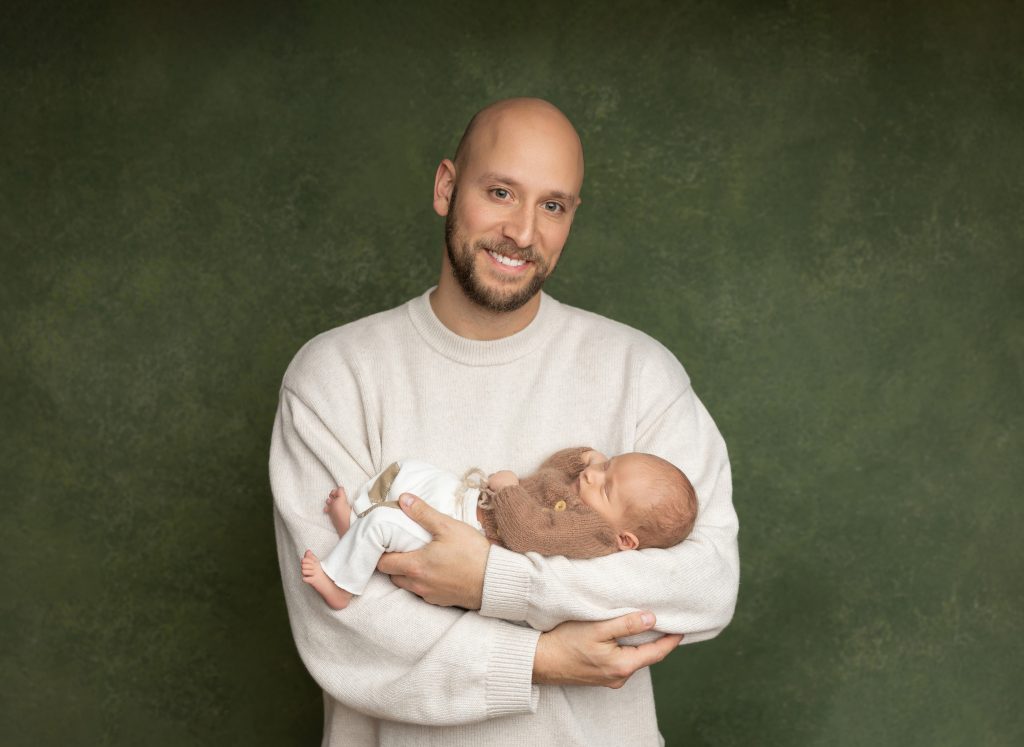
When it comes to spring baby photoshoot outfits, the goal isn’t to impress—it’s to harmonize. The outfit should feel like a natural extension of the scene, not something that steals attention. Think soft, breathable fabrics and colors that blend seamlessly with your setup. You want people to notice the baby first, not the clothes.
Start with simple pieces like rompers, onesies, or wraps in pastel tones. Neutral shades like ivory, cream, or soft beige work incredibly well because they don’t clash with other elements. Then, if you want to add a bit of personality, you can introduce subtle colors like dusty pink or sage green. The key is restraint—spring photography thrives on softness, not bold contrasts.
Texture also plays a huge role here. Knit outfits, lace details, or lightly ribbed fabrics can add visual interest without overwhelming the image. These small details create that cozy, tactile feeling that makes photos more engaging. It’s almost like you can feel the softness through the screen.
Avoid anything too tight or structured. Babies need to be comfortable, and stiff clothing can make them fussy—which shows in the photos. Loose, flexible fabrics not only keep the baby happy but also photograph better because they drape naturally.
One more thing—less is more. A single, well-chosen outfit will always outperform multiple complicated looks. Consistency keeps the session smooth and the final gallery cohesive.
Accessories can elevate a spring baby photoshoot, but they can also ruin it if overused. The trick is to think of them as accents, not main features. A delicate headband, a tiny bonnet, or a soft wrap can add just enough charm without taking attention away from the baby.
Floral accessories are especially popular in spring setups. A small flower crown or a single bloom detail can tie the whole theme together beautifully. But keep it subtle—oversized or overly bright pieces can feel distracting rather than magical.
Natural materials tend to work best. Think cotton, linen, or soft wool. These textures align with the overall aesthetic and feel more authentic than synthetic or shiny materials.
It’s also important to consider scale. Babies are tiny, so accessories should match that scale. Oversized props or chunky items can make the composition feel unbalanced.
And here’s a practical tip: always have a backup plan. Some babies simply don’t tolerate accessories well. If something makes them uncomfortable, it’s not worth forcing. A happy, relaxed baby will always create better photos than a perfectly styled but fussy one.
At the heart of every great baby photoshoot is one simple truth: comfort equals authenticity. You can have the most beautiful setup and perfect lighting, but if the baby isn’t comfortable, it will show—every single time.
Start by creating a calm environment. Warm temperatures, soft sounds, and gentle handling go a long way in helping babies feel secure. Think of your studio as a cozy little bubble where everything feels safe and predictable.
Timing is also crucial. Trying to shoot when a baby is hungry or overtired is a recipe for frustration. Instead, work around their natural rhythm. A well-fed, well-rested baby is much more likely to be calm and expressive.
Interaction plays a big role too. Gentle sounds, soft movements, or even a familiar voice can help capture those natural reactions—little smiles, curious looks, or peaceful expressions. These moments are what make photos feel real and emotionally engaging.
Parents are your secret weapon here. Their presence can be incredibly comforting for the baby. Encouraging them to stay close and involved often leads to more genuine expressions.
If there’s one skill every photographer needs for spring baby photography, it’s patience. Babies don’t follow schedules—they set them. And the best photos often happen in between the “planned” moments.
Building extra time into your session is essential. This allows for feeding breaks, diaper changes, and moments of rest. Instead of seeing these as interruptions, think of them as part of the process. Sometimes, the most beautiful shots come right after a break when the baby is calm and content.
Watch for cues. Babies communicate in subtle ways—small movements, facial expressions, or changes in energy. Learning to read these signals helps you know when to shoot and when to pause.
It’s also important to stay flexible. If a particular setup isn’t working, don’t force it. Move on and come back later if needed. A relaxed approach keeps the atmosphere positive, which ultimately leads to better results.
Patience isn’t just about waiting—it’s about being present and responsive. When you embrace that mindset, the entire experience becomes smoother and more enjoyable for everyone involved.
Editing is where your spring baby photos truly come to life. Even with perfect lighting and styling, subtle adjustments in post-processing can elevate an image from good to unforgettable.
The focus here is on softness. Lower contrast slightly to avoid harsh transitions, and gently lift shadows to maintain detail. Highlights should be bright but not blown out—you want that airy, glowing effect that feels natural and fresh.
Color grading is especially important. Shift tones toward warmer, pastel hues to enhance the spring vibe. Greens can be softened, pinks can be warmed, and blues can be slightly muted to create a cohesive palette.
Consistency matters just as much as creativity. Applying a similar editing style across all images ensures the final gallery feels unified. This is particularly important for professional photographers delivering a full session.
Another subtle trick is adding a touch of brightness to the background. This creates that light, open feeling that’s often associated with spring imagery.
Retouching in baby photography should always be gentle and respectful. Babies already have natural beauty, so the goal isn’t to “perfect” them—it’s to preserve their authenticity while removing minor distractions.
Start with basic adjustments like smoothing out temporary skin blemishes or redness. Keep it minimal. Over-editing can make the image look artificial, which takes away from its emotional impact.
Maintain natural skin texture. Completely smoothing the skin can make the baby look unrealistic. A light touch is all you need to enhance without erasing character.
Pay attention to details like stray fibers, wrinkles in fabric, or small background distractions. Cleaning these up helps keep the focus on the baby without altering the essence of the image.
The best edits are the ones you don’t notice. When someone looks at the photo and simply feels something—without thinking about the editing—that’s when you know you’ve done it right.
Spring studio baby photoshoots don’t need to be complicated to feel magical. In fact, simplicity is often what makes them so powerful. Soft colors, gentle textures, thoughtful lighting, and a calm environment all come together to create images that feel timeless and emotionally rich.
What really sets these photos apart isn’t the props or the setups—it’s the feeling they capture. That sense of new beginnings, warmth, and quiet beauty is what resonates with people long after the session is over.By focusing on comfort, safety, and subtle creativity, you can create spring baby photography that feels authentic and effortless. And those are the kinds of images families will treasure for years to come.