- Category
- Knowledge Base
Date12 June 2026
Date29 December 2025
Let’s get something straight: those dreamy, peaceful newborn photos you see online? They’re not just about lighting and posing. They’re about safety.
Because behind every beautiful baby photo, there should be a professional who knows how to protect your child’s wellbeing from start to finish. And sadly? Not everyone with a camera and a cute studio space is qualified.
As a parent, it’s easy to get swept up in the aesthetics—fluffy blankets, floral headbands, Pinterest-perfect poses. But before you hand your brand-new baby to someone, you need to ask yourself: Is this person trained, insured, and fully prepared to handle a vulnerable newborn?
In this guide, we’re breaking down the must-know safety standards every parent should ask about before booking a newborn photographer. Whether you’re in Philly, NYC, or anywhere else, these rules apply. Because when it comes to your baby, you deserve peace of mind.
Let’s dive into what matters most.
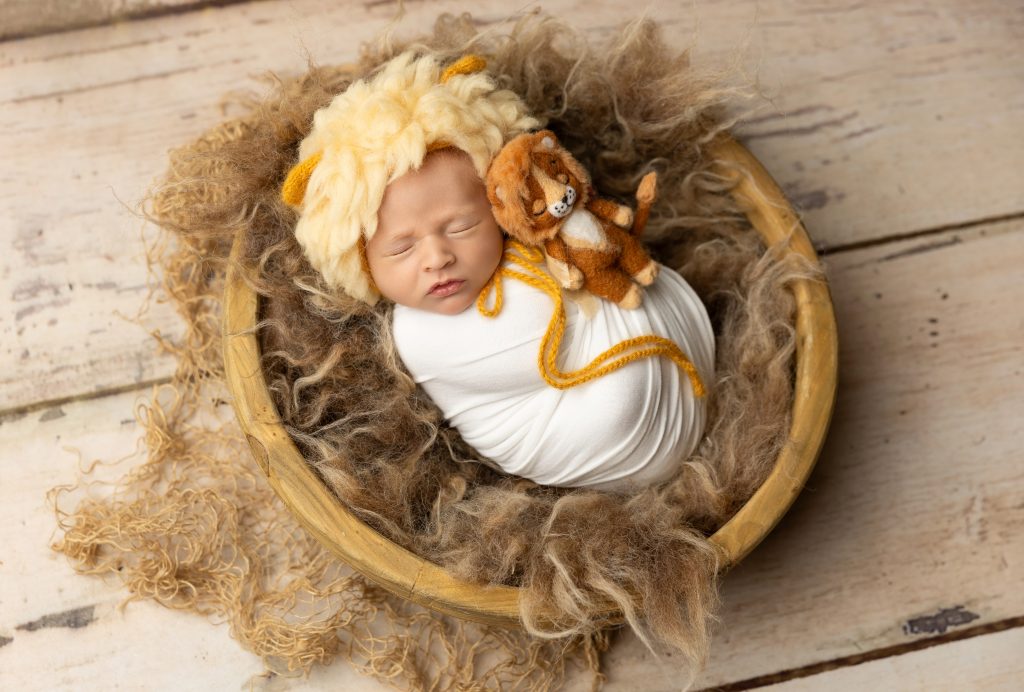
These days, anyone with a decent camera and a social media account can look like a pro. But newborn photography isn’t just a skill—it’s a responsibility.
Think about it: your baby is fragile. We’re talking floppy necks, tiny joints, and ultra-sensitive skin. A legit newborn photographer understands:
Without proper training, a photographer can unintentionally cause harm—even with the best intentions.
Here’s the red flag: if they can’t explain their safety approach clearly and confidently, that’s a nope. No matter how pretty their portfolio is.
You wouldn’t leave your baby with an untrained babysitter, right? Same goes here.
Look for a photographer who has:
Certifications aren’t just resume fluff. They show that the photographer:
If your photographer has no formal training or brushes off safety questions? Run. A pro will be proud to share their credentials and explain their process in detail.
Let’s talk hygiene—because babies are sensitive. They’re still developing their immune systems, and the last thing you want is your newborn picking up germs from the last session.
A clean studio should:
Bonus points if they ask you to wash or sanitize hands before touching props or baby. That shows they’re taking your family’s health seriously.
If a studio looks messy, dusty, or cluttered—or if they reuse blankets without washing? Hard pass.
Most newborn sessions involve at least a few setups where baby is undressed or swaddled lightly. That means the room has to be warm enough to keep baby comfortable—and not just for cute pics, but for health reasons.
Here’s what to expect:
Your baby should never be shivering or sweating. The right photographer knows how to balance warmth with comfort and will take plenty of breaks to keep baby content and safe.
Let’s talk about those iconic baby poses you see all over Pinterest—the “froggy” pose (baby’s chin in their hands), baby in a bucket, baby hanging from a wrap.
Looks cute? Absolutely. But is it safe? Only when done properly.
Here’s the truth: many of these are composite images—meaning they’re made from two or more photos, carefully edited to make it look like baby is doing something they never actually did on their own.
If your photographer is attempting these poses without a spotter, without composites, or without fully supporting the baby?
Every pose should:
You should always ask: “Do you use composites for complex poses?” If they say no—and still offer them anyway—that’s not a professional. That’s a liability.
This one’s a biggie. During a newborn session, your baby should never, ever be left unattended—not on a beanbag, not in a basket, not on a posing table.
Even if they look like they’re in a deep sleep, a sudden reflex or startle can cause them to jolt, roll, or squirm. It happens fast—and in the wrong setup, it can be dangerous.
That’s why every safe studio should have:
If a photographer is juggling lights, camera settings, and your baby without help or hands-on support? That’s a serious red flag.
Remember: posing a newborn is never a one-person job when safety is the priority.
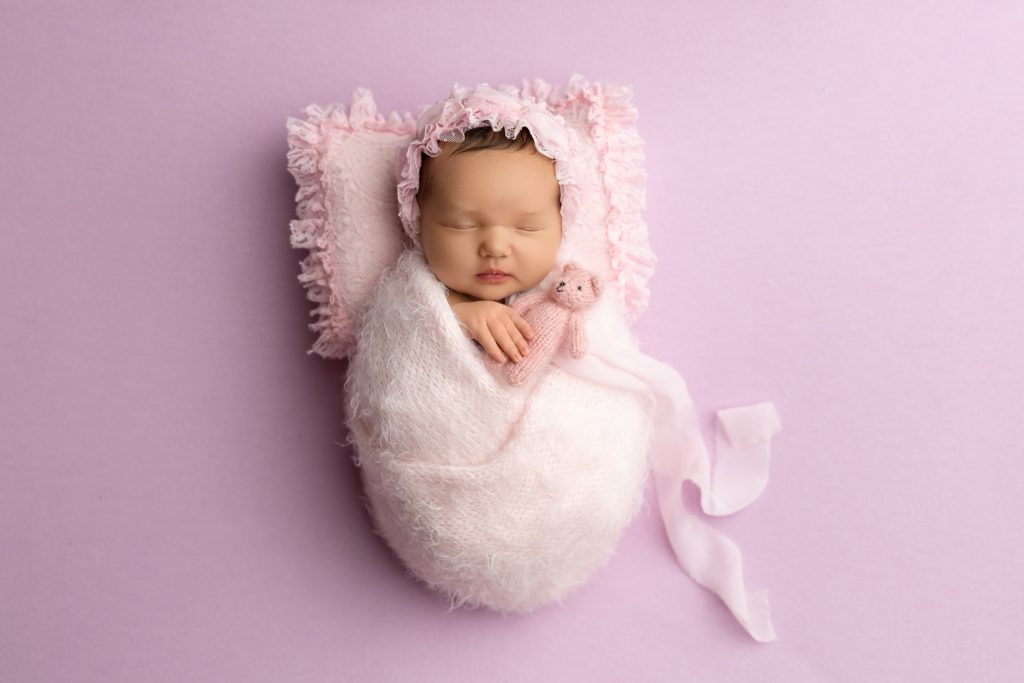
Cute setups are fine—as long as they’re safe. Not all baskets, wraps, or headbands are created equal. And some of those budget finds? Yeah, they belong far away from your newborn.
Here’s what safe prop use looks like:
A pro photographer invests in high-quality props made specifically for newborns. If anything looks DIY in a not-so-great way, ask questions. Your baby deserves better than dollar-store decorations.
And by the way, more isn’t better. A minimalist, well-designed setup is not only safer—it looks way more timeless.
You’re booking a newborn session during one of the most sensitive times of your baby’s life. And in a post-COVID world, cleanliness and health precautions matter more than ever.
A professional newborn photographer should have a clear, written health policy that includes:
If they say things like, “It’s just a sniffle” or act annoyed about safety concerns? 🚩 That’s not someone who respects your baby’s vulnerability.
Always feel empowered to ask:
“What are your studio’s illness and rescheduling policies?”
“How do you sanitize your space between sessions?”
Their answer should reassure you—not give you more to worry about.
Every parent knows how nerve-wracking it is to hand their baby off to someone new. And with good reason. Handling a newborn requires knowledge, experience, and a gentle touch.
A trained newborn photographer will:
You’ll never see a true pro yank a baby’s legs into position or ignore signs of distress just to “get the shot.”
This kind of expertise doesn’t come from watching YouTube tutorials. It comes from formal training, hands-on practice, and a deep understanding of newborn physiology.
Here’s a question most parents never think to ask—but it matters:
“Are you licensed and insured?”
A professional newborn photographer should be running a legal business. That means:
Why does this matter?
Because accidents can happen. And if something goes wrong—say, a prop tips over or a heater malfunctions—you want to know the person in charge is legally prepared and financially protected.
If they’re not willing to answer questions about their business structure, that’s a red flag.
Trust us, the peace of mind is worth it.
Here’s a truth we hold close: You should never feel pressured into anything. Whether it’s a specific pose, outfit, or even a certain type of image—you always have the final say.
A safe photographer will:
If anything feels off, you should feel comfortable speaking up. A safe, professional studio will never shame you or push you into anything you don’t want.
Let’s get practical for a sec. A studio can be gorgeous—but still totally unsafe if behind-the-scenes precautions aren’t taken.
You want to see:
You’re not being paranoid by checking these things—you’re being a parent. And your photographer should 100% understand that.
Want to know you’re in good hands before you even walk into the studio? Look for these green flags:
They clearly talk about safety on their website
They’re open about training, certifications, and policies
Their studio looks clean, warm, and organized
They ask you about baby’s health, delivery, or needs before the session
They respond to your safety questions with confidence—not defensiveness
Basically? Transparency equals trust. And that trust is everything when you’re handing over your newborn.
Whether you’re touring in person or doing a FaceTime consult, here’s your cheat sheet:
Asking these questions doesn’t make you that parent—it makes you a smart, protective one.
At the end of the day, your newborn’s safety should never be negotiable. Gorgeous images are great—but only when they’re created in an environment that prioritizes respect, gentleness, and professional care.
When a photographer takes the time to create a safe, clean, and informed space, it shows in every photo. Your baby will be more relaxed. You’ll be more at ease. And that connection? That calm? It becomes the magic in every frame.
So before you book that “trendy” session—ask the hard questions. Visit the studio. Trust your gut.
Because no photo is worth risking your baby’s wellbeing.