
- Category
- Knowledge Base
Date12 June 2026
Date24 May 2025
If you’ve ever been ankle-deep in a pile of tulle, felt baby hats, and packaging materials after a full weekend of sessions, you know: photography isn’t always the greenest gig. Especially when it comes to newborn and maternity shoots where props, outfits, and set designs come in and out faster than toddlers on sugar.
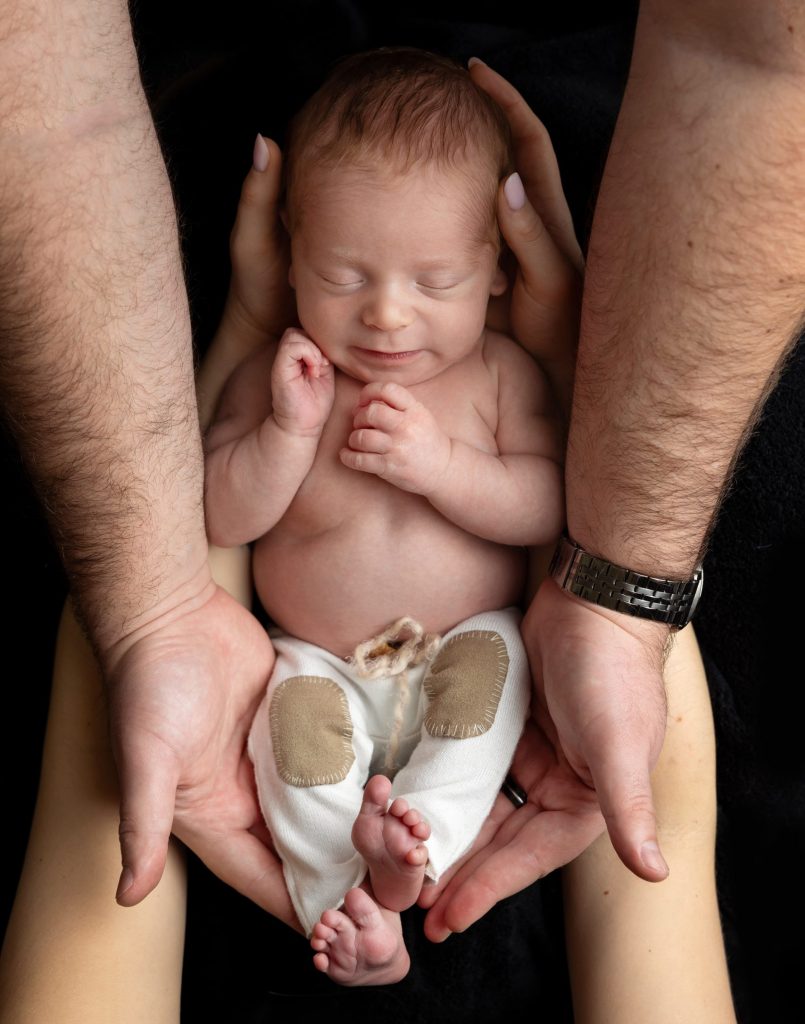
When I started my studio here in the Midwest, I didn’t think twice about sustainability. But a few years in, I noticed how much waste we were generating. From the plastics used in backdrops to the constant shipping of baby props, it started to feel… off. Especially when I was capturing the beginning of life. I mean, what message was I sending to these brand-new parents if my business model wasn’t considering the future of the planet their babies were inheriting?
So I made a change. And while going green didn’t happen overnight, it’s been one of the most rewarding shifts I’ve made—not just ethically, but financially and creatively too.
This guide blends eco-friendly photography tips with personal stories and local insight, so whether you’re just starting or deep in the biz, you’ll find tangible, heart-centered advice to green your studio.
Let’s be real. Photography studios can leave a hefty carbon footprint. Think about it: electricity for lighting, water for cleaning textiles, chemical-heavy backdrops, non-recyclable packaging, and shipping emissions from ordering props from who-knows-where. Not to mention the occasional photo book that ends up in a drawer gathering dust.
In cities like Chicago, where climate policy is front and center, clients are more attuned than ever to how their money supports their values. The same parents asking for organic onesies and BPA-free bottles are the ones booking maternity shoots. So when your studio uses sustainable practices, you’re not just helping the planet—you’re aligning with your client’s mindset.
In my early days, I’d toss packaging after every session. Now? I’ve got a recycling system, compost bin for snacks and food waste, and use cloth wraps that get laundered in bulk with eco detergent. It’s small stuff, but it adds up.
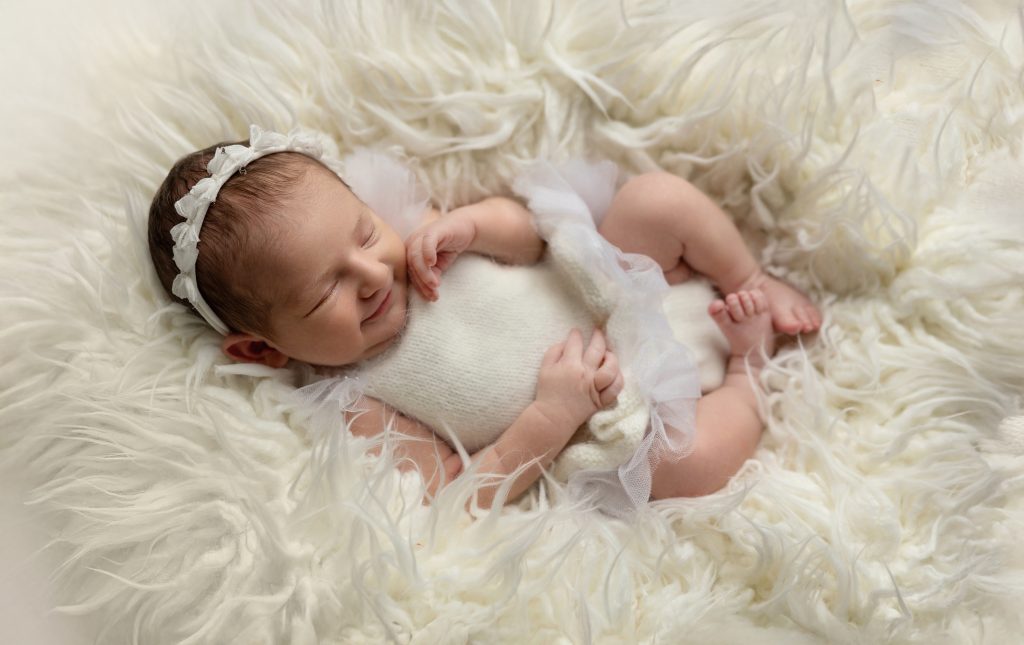
New parents are often navigating a whole new world of “green” living—cloth diapers, bamboo baby wipes, you name it. They’re already thinking about the future. So when you tell them your studio uses sustainably sourced backdrops and organic wraps, they’re listening.
It’s not about being preachy. It’s about making choices that reflect the love and care these families want to see in the world their child is entering.
I once had a client tear up when she found out her newborn session would use entirely organic cotton wraps dyed with natural pigments. “It just feels so aligned,” she said. That moment reminded me—being an eco-friendly photographer isn’t just about the environment. It’s about integrity.
If you’re setting up a new space or remodeling, start at the foundation. Use reclaimed wood for floors or walls—it adds texture and tells a story. Opt for low-VOC paints to keep the air safe for pregnant clients and tiny noses. Look for secondhand furniture, or work with local woodworkers who use sustainable materials.
In my own studio, we used salvaged barn wood from a local Illinois farm to create a rustic feature wall. Not only did it save money, but clients LOVE it as a backdrop. It’s become my most-requested photo spot.
Lighting can be a major energy drain. Switching to LED bulbs across your studio is an easy win—they use up to 80% less energy. Also, try motion-sensor switches in less-used areas like storage or bathrooms to cut down on wasted electricity.
We also invested in programmable thermostats, which help manage heating and cooling efficiently—key in states with big seasonal swings. In winter, we bump the temp up just before a session, then scale it back when the studio’s empty.
Pregnant clients and newborns need warmth and calm. Instead of space heaters, we use an energy-efficient HVAC system with humidifiers. It keeps the air gentle and moist, perfect for winter shoots when dry heat can irritate tiny skin.
I also switched to washable changing pads and reusable wipes for in-session cleanups. It’s the little details that build trust and align with your eco brand.
Every prop doesn’t need to be new. In fact, many of my favorite wraps and bonnets came from local makers or thrift finds. Look for:
Avoid synthetics—they don’t photograph as well and often aren’t breathable. Plus, sourcing locally keeps your carbon footprint lower and supports your community.
When it comes to backdrops, I stopped using vinyl years ago. Muslin, bamboo fabric, or even repurposed textiles photograph beautifully and last longer. And when a backdrop gets stained or torn? It becomes part of a textured floor setup or a DIY project.
Your gear is the heart of your studio. Take care of it to avoid frequent replacements. I clean my camera bodies and lenses using reusable cloths, non-toxic sprays, and a manual blower. For charging, I use a solar power bank when possible—especially during outdoor sessions.
Instead of buying multiple lenses, I invested in a few high-quality, versatile options and learned to maximize what they can do. Less gear = less clutter and less waste.
Natural light is every newborn photographer’s best friend—and it’s free. Plus, using natural light drastically cuts down on electricity use. My studio in Indianapolis is designed with large north-facing windows that bathe the room in soft, even light nearly all day. I rarely turn on overhead lights unless the weather is absolutely grim.
If you don’t have access to abundant natural light, opt for LED studio lights with adjustable color temperatures. They’re energy-efficient and more eco-conscious than traditional strobe systems. Look for brands that offer rechargeable battery packs and eco-friendly manufacturing standards.
Pro tip: Use reflective surfaces like white walls or boards to bounce light and reduce the need for extra lighting sources.
Maternity clients want to feel beautiful and safe. And nothing feels better on the skin than organic cotton, bamboo, or hemp-based fabrics. These materials are breathable, hypoallergenic, and biodegradable.
Instead of importing garments from overseas brands, I began sourcing wraps and gowns from local seamstresses here in the Midwest who use eco-dyes and sustainable fibers. Not only did it reduce shipping emissions, but it also supported small, woman-owned businesses.
For newborns, I keep a curated set of GOTS-certified (Global Organic Textile Standard) onesies, swaddles, and knit outfits. They’re gentle on sensitive skin and photograph beautifully.
Community connections are at the heart of sustainable business. By partnering with local vendors, you reduce shipping waste, build local economy, and create an authentic vibe your clients will notice.
Here are a few ways I’ve built my local ecosystem:
These relationships not only reduce costs but also generate cross-promotion and word-of-mouth referrals. And let’s face it—parents are more likely to book you again when they feel your values line up with theirs.
We used to burn DVDs or USBs for every session. Not anymore. Now, I use encrypted cloud-based galleries (like Pixieset or ShootProof) that allow clients to download their images at full resolution. It’s cleaner, faster, and zero waste.
If you’re worried about backup security, invest in external drives that don’t rely on disposable plastics or batteries. Solid-state drives (SSDs) have longer lifespans and are more efficient in power usage.
Also, be transparent with your clients. Let them know you’ve gone green with digital delivery—it often earns you bonus points, especially with millennial and Gen Z parents.
While heirloom photo albums are timeless, I now offer them as optional upgrades rather than standard. This cuts down on paper waste and lets clients decide what they truly want.
When packaging physical products:
I once used plantable thank-you cards embedded with wildflower seeds. Clients LOVED them. It’s thoughtful branding and eco-consciousness rolled into one.
Make the online experience seamless:
For families wanting prints, recommend eco-friendly print labs like Miller’s or Artifact Uprising, both of which offer recycled paper and green shipping options.
One of the most transformative moments in my sustainable journey came when I challenged myself to create a zero-waste maternity session. No disposable props, no single-use anything, and minimal electricity usage.
The client, Jenna, was a first-time mom and an environmental studies professor. She walked into my studio already barefoot, carrying her own water bottle and asking about my composting system. I knew she’d appreciate a thoughtful, eco-aligned session.
We used:
After the session, I emailed her a digital gallery—no print proofs. She wrote back, “I never imagined something so beautiful could be so sustainable.”
That experience showed me that eco-photography doesn’t mean compromising beauty or quality. It means infusing intention into every frame.
Switching to organic props sounded simple… until I actually started doing it. Spoiler alert: not everything labeled “eco” works in a photography setting.
What worked:
What didn’t:
Lesson learned? Always test eco-props before a live session. And don’t be afraid to mix sustainable with practical—balance is the name of the game.
Over the past few years, I’ve attracted more clients who specifically chose my studio for its eco-values. Their feedback has been incredibly insightful—and encouraging.
Here are a few gems:
One couple even sent me a thank-you note on seed paper after their shoot. It’s these connections—real, human, heartfelt—that prove sustainable photography is more than a trend. It’s a movement.
Sustainability shouldn’t be your studio’s best-kept secret. Let people know! Display your values proudly—in your studio, on your website, and across your social media.
Ways I do this:
Clients want to feel good about where they spend their money. Being transparent about your eco-efforts builds trust and loyalty.
Want to take things to the next level? Teach what you practice. Hosting a green photography workshop not only positions you as a leader but also helps spread the message.
I started offering mini-classes to fellow photographers in my area—nothing fancy, just a two-hour evening session with coffee and conversation. Topics include:
Bonus? It’s a great networking tool and often leads to vendor referrals and secondhand gear swaps.
You’re not in this alone. Chicago (and many other cities) are bursting with eco-friendly businesses who would LOVE to team up.
Ideas:
Every collaboration expands your reach—and reinforces your brand identity.
Want to stay motivated? Track your impact. Keep a journal or digital log of changes you’ve made and what results you’re seeing.
Metrics to watch:
It helps to see how far you’ve come—and sets goals for where you’re headed next.
Eco-friendly doesn’t mean cheap. In fact, clients will often pay more for values they believe in. Just be transparent:
I raised my prices slightly after going green—and bookings didn’t dip. If anything, I gained more loyal, like-minded clients.
Your values are your brand’s secret sauce. They create emotional connections that generic “pretty pictures” just can’t.
Stay active on eco forums, collaborate with green influencers, and engage with sustainability-focused groups in your area. You’re not just building a client base—you’re building a community.
Not every sustainable change will be free. Some take time, money, or both. Focus on high-impact, low-barrier actions first. Then, grow from there.
Ask yourself:
If the answer is “yes” to two or more, it’s probably worth the investment.
Newborn and maternity photography is about beginnings. What better way to honor that than by caring for the world our clients are bringing new life into?
Going green isn’t a gimmick—it’s a commitment. To the planet. To our clients. And to the kind of legacy we want our work to leave behind.
So whether you’re just swapping out your lightbulbs or building a studio from scratch, every eco-conscious choice matters. Photograph with purpose. Create with intention. And trust that your values will attract the right clients—ones who care just as deeply as you do.