- Category
- Knowledge Base
Date12 June 2026
Date16 February 2026
A natural smile can change everything in a photograph. It can turn a nice image into one that feels warm, honest, and emotionally alive. And yet, so many people worry about how they’ll look when asked to smile for the camera. They’ve been told to “say cheese” their whole lives—and deep down, they know that kind of smile rarely feels real.
As a professional photographer in Philadelphia, I can tell you this: natural smiles aren’t about perfect teeth or practiced expressions. They’re rooted in psychology, comfort, and trust. When you understand how real smiles work—and how photographers help bring them out—you begin to see photography very differently.
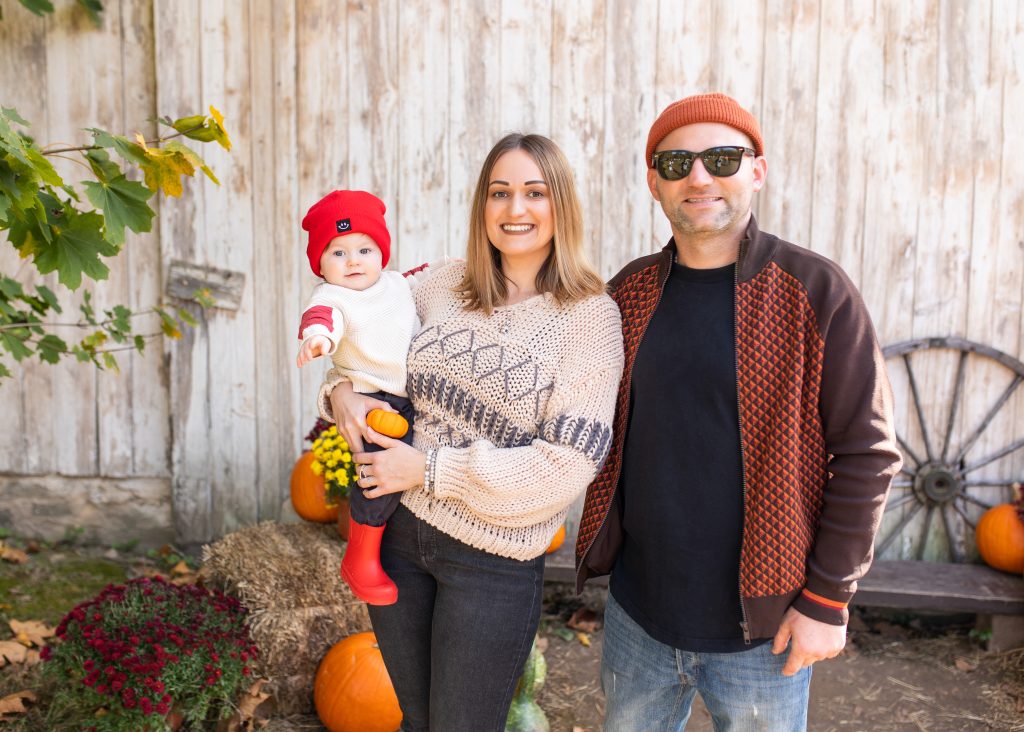
Humans are wired to read faces. Long before we speak, we learn to interpret emotion through subtle facial cues. That’s why we can instantly tell the difference between a genuine smile and a forced one.
A natural smile, often called a “felt smile,” involves more than just the mouth. It shows up in:
When these elements align, the smile feels authentic. When they don’t, the image can feel stiff or disconnected—no matter how technically perfect it is.
One of the biggest psychological factors behind a real smile is comfort. When people feel safe and at ease, their nervous system relaxes. That’s when genuine expressions start to appear.
In a photography session, discomfort can come from:
A skilled photographer in Philadelphia knows how to remove these barriers by creating a calm, welcoming environment where clients feel seen, not scrutinized.
The instruction to “say cheese” creates a mechanical response. It activates conscious control over facial muscles rather than emotional response. The result is often a smile that looks frozen or exaggerated.
Psychologically, real smiles happen when:
That’s why experienced photographers rarely ask for a smile directly. Instead, they guide clients into moments that naturally produce one.
Natural smiles often emerge from emotional cues rather than physical direction. Some common triggers include:
In sessions with Anna Sam Photographer, we use conversation, prompts, and movement to shift attention away from the camera and back into the moment. That psychological shift is where authenticity lives.
Trust is a powerful psychological tool. When someone trusts the person behind the camera, their guard drops. Their expression softens. Their body language opens.
Building trust happens through:
This is especially important for clients who describe themselves as “not photogenic.” In reality, most people aren’t unphotogenic—they’re just uncomfortable. A thoughtful photographer in Philadelphia understands how to bridge that gap.
It may sound counterintuitive, but posing often helps create natural expressions. When the body feels supported and intentional, the face follows.
Good posing:
When someone feels good in their body, they’re far more likely to smile naturally. That’s why posing is less about control and more about support.
Psychology shows us that body language and facial expression are deeply linked. If your shoulders are tense or your hands feel awkward, your face will reflect that tension.
That’s why photographers often adjust posture, hand placement, or stance before focusing on facial expression. Once the body relaxes, the face often follows—without needing to ask for a smile at all.
Children don’t overthink their expressions. They haven’t learned to perform for the camera yet, which is why their smiles often feel so pure.
Adults, on the other hand, tend to self-monitor. They wonder:
A key part of a photographer’s job is helping adults reconnect with that childlike ease—where emotion leads and analysis steps aside.
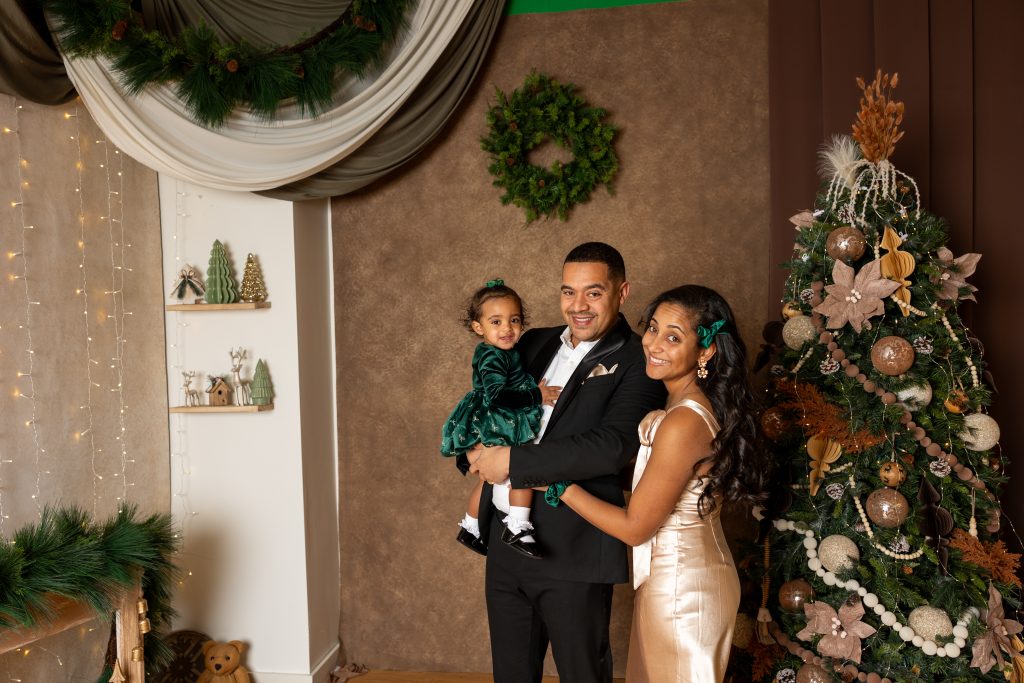
One important truth: no amount of editing can manufacture authenticity. While retouching can refine lighting or remove distractions, it can’t replace a genuine expression.
That’s why capturing natural smiles must happen in-camera, in the moment. Editing should enhance what’s already there, not attempt to invent emotion after the fact.
At Anna Sam Photographer, editing is used to preserve realism, not polish away personality.
When you look back at photos years later, you’re not just remembering how you looked—you’re remembering how you felt.
Natural smiles:
This is especially important in family portraits, maternity sessions, and milestone photography, where emotion is the heart of the image.
As a trusted photographer in Philadelphia, my approach focuses on psychology as much as technique. Sessions are designed to feel calm, collaborative, and human.
That includes:
When people feel understood, they stop performing—and that’s when the most meaningful smiles appear.
A natural smile isn’t something you can demand from someone. It’s something that emerges when the mind feels safe, the body feels supported, and the moment feels real.
Understanding the psychology behind smiles helps explain why great photography feels effortless. It’s not about tricks or perfection—it’s about connection, trust, and emotional presence.
With the right photographer in Philadelphia, smiling for the camera doesn’t feel like acting. It feels like being yourself—and that’s what makes a photo truly powerful.