Newborn photography is about capturing the delicate beauty of a baby’s first days, and the choice of textures and fabrics plays a crucial role in enhancing the overall aesthetic of studio portraits. Soft materials add depth, warmth, and a tactile quality that complements the newborn’s fragile features. The right fabrics can transform a simple image into an intimate, timeless work of art.
By carefully selecting and layering plush textiles, flowing fabrics, and organic materials, photographers can create a cozy, inviting atmosphere that enhances both the baby’s comfort and the visual appeal of the portrait. This guide explores how to use soft textures and fabrics to elevate studio newborn photography.
The Importance of Soft Textures in Newborn Photography
Textures are more than just aesthetic choices—they play a functional and emotional role in newborn portraiture.
Why Soft Fabrics Matter
Comfort and warmth: Newborns have delicate skin and are easily startled by rough or unfamiliar textures.
Visual softness: Smooth, plush materials create a dreamy and ethereal look.
Depth and dimension: Layering different textures adds richness and interest to the composition.
Symbolism: Certain fabrics, such as lace or wool, can evoke feelings of nostalgia, innocence, and warmth.
A well-chosen texture not only enhances the aesthetic of the image but also helps create a safe and soothing environment for the baby.
Evoto
Best Fabrics for Newborn Photography
Choosing the right fabric is essential for both visual appeal and newborn comfort.
Cotton and Muslin (Soft and Breathable)
Perfect for wrapping and swaddling newborns.
Lightweight and gentle on sensitive skin.
Available in neutral and pastel shades for a timeless look.
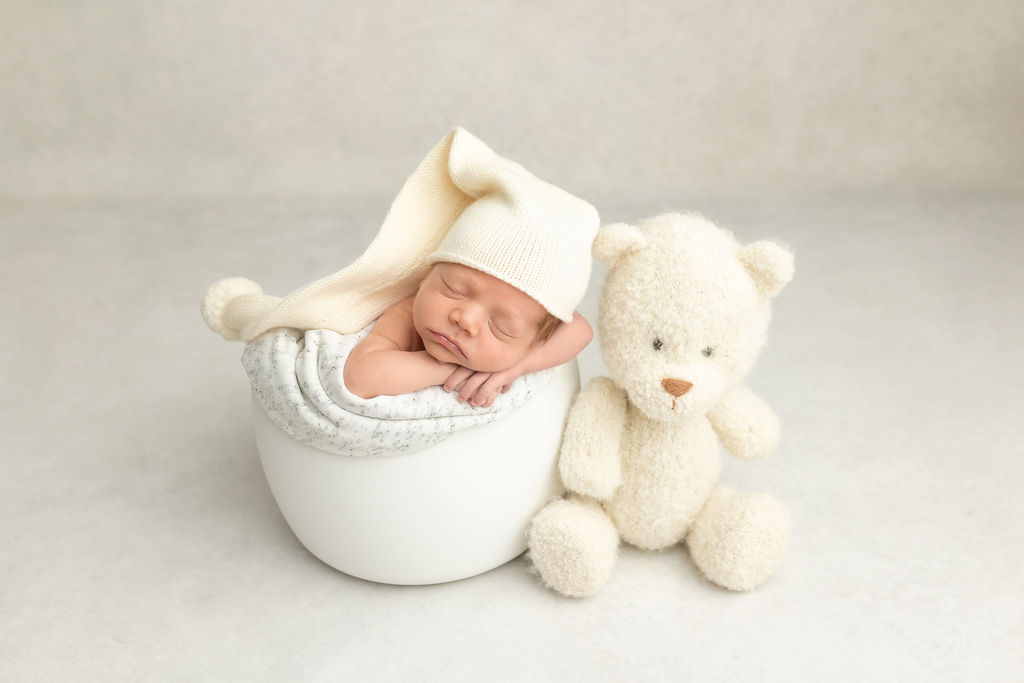
Knitted and Woolen Textures (Warm and Cozy)
Adds a homemade, organic feel to images.
Ideal for fall and winter-themed newborn sessions.
Soft, chunky knit blankets create depth and texture without overwhelming the subject.
Silk and Satin (Elegant and Luxurious)
Reflects light beautifully for a soft, glowing effect.
Perfect for draping or layering over props.
Works well for fine-art newborn portraits with a high-end finish.
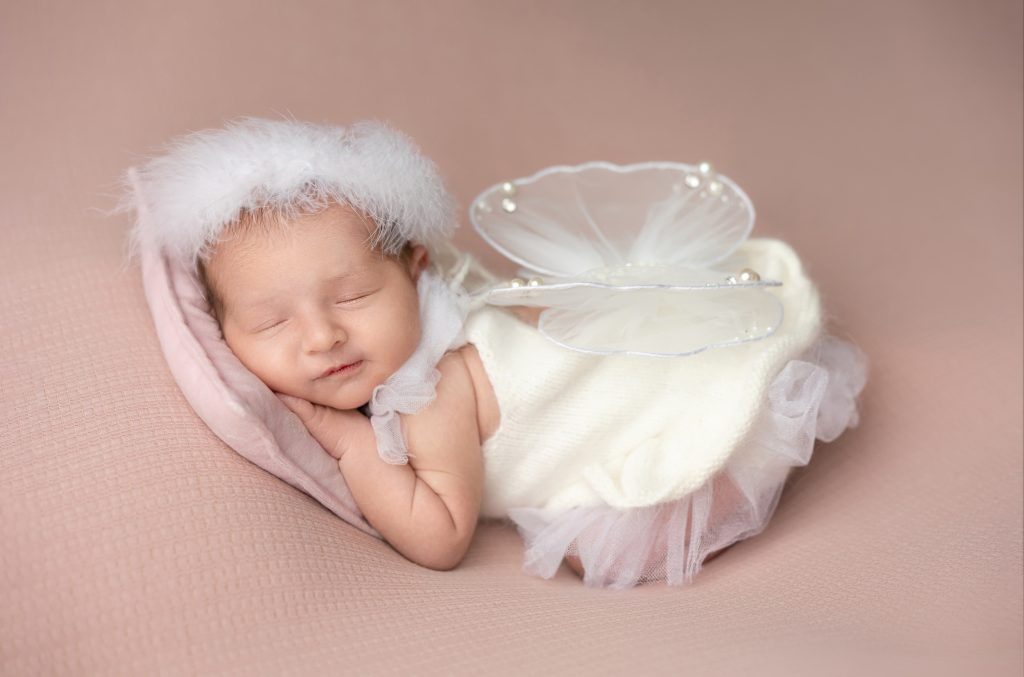
Lace and Tulle (Delicate and Feminine)
Ideal for baby girls, vintage, or floral-themed shoots.
Softens the background and adds a whimsical, airy feel.
Works well as overlays on backdrops or wraps.
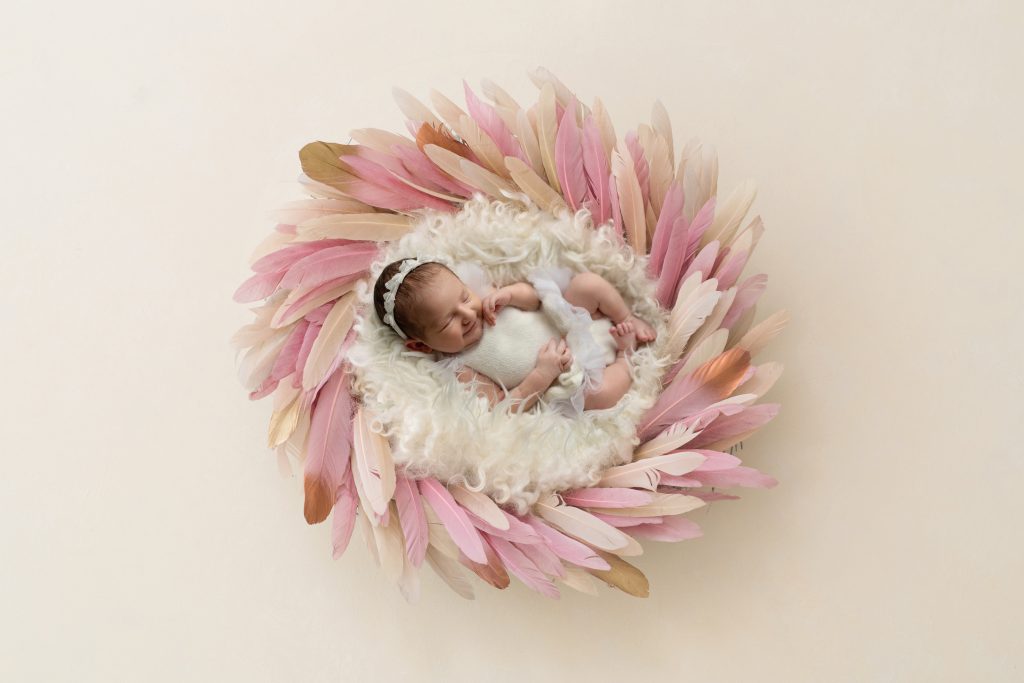
Faux Fur and Fleece (Plush and Inviting)
Creates a warm, comforting setting for newborns.
Available in neutral and earthy tones for a soft, dreamy atmosphere.
Great for posing baskets, beds, and bean bags.
Layering Textures for Depth and Dimension
Layering different fabrics adds richness and depth to newborn portraits without distracting from the baby’s natural beauty.
How to Layer Soft Fabrics Effectively
Start with a base layer such as a cotton or fleece backdrop.
Add a secondary texture like a knitted blanket or lace overlay.
Introduce a third layer with props like a soft pillow or fur-lined basket.
Balancing Textures for a Cohesive Look
Pair chunky knits with smooth cotton for contrast.
Use sheer tulle over plush blankets to create softness.
Keep the color palette neutral or pastel to maintain harmony.
Layering textures subtly enhances the visual appeal while ensuring the baby remains the focal point of the image.
Swaddling Techniques for Textural Beauty
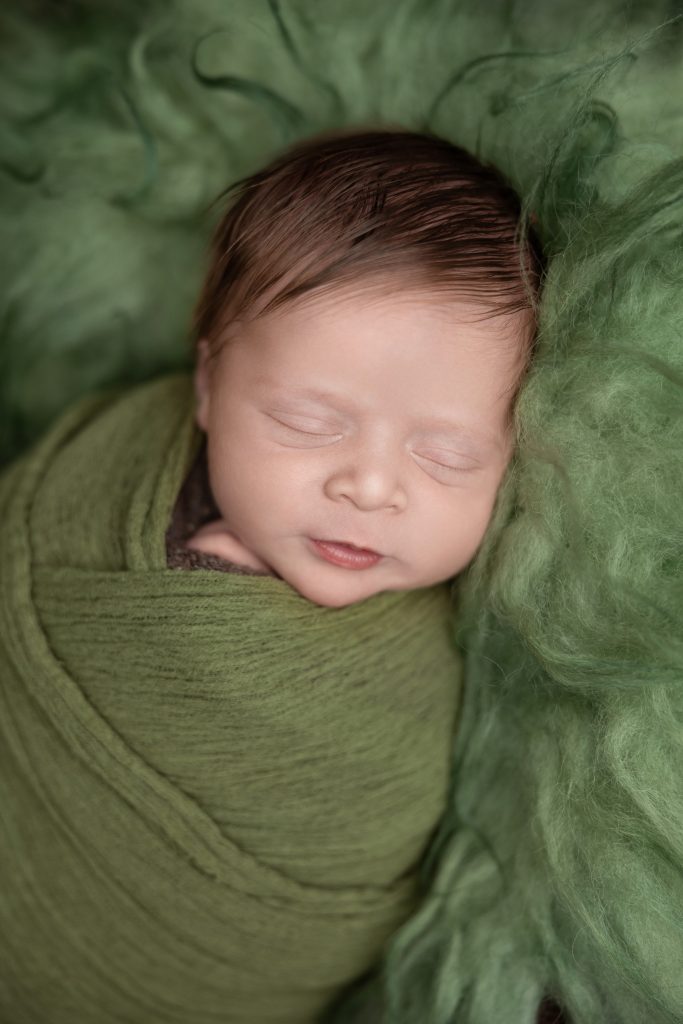
Swaddling is both a posing technique and a way to introduce texture into the portrait.
The Classic Wrap
Uses stretchy cotton or bamboo wraps for a snug, womb-like effect.
Keeps the baby comfortable and enhances serene facial expressions.
The Open Wrap
Leaves the hands and feet slightly exposed for a natural, relaxed feel.
Works well with soft wool or gauze wraps.
The Layered Swaddle
Combines multiple fabrics for added depth and visual interest.
Wrap the baby in a light muslin wrap, then layer with lace or knitted fabric.
Swaddling not only soothes the baby but also adds aesthetic elegance to the portrait.
Using Fabric Backdrops for a Soft, Dreamy Look
Fabric backdrops can completely transform the mood and style of a newborn session.
Best Fabric Backdrops for Newborn Photography
Textured muslin: A natural, painterly effect with subtle texture.
Sheer chiffon or tulle: Creates a soft, ethereal glow.
Knitted or quilted fabric: Adds warmth and vintage charm.
How to Achieve a Seamless Look with Fabric Backdrops
Stretch the fabric tightly to avoid wrinkles.
Use soft lighting to highlight the texture subtly.
Choose neutral tones like cream, blush, or gray for a timeless appeal.
Soft fabric backdrops complement the newborn’s delicate features without overpowering the composition.
Selecting Colors and Patterns for a Harmonious Aesthetic
The right color choices enhance the overall mood and storytelling of the session.
Soft and Neutral Colors
Cream, beige, taupe: Classic and versatile for any gender.
Soft grays and pastels: Gentle, dreamy, and calming.
Earthy and Warm Tones
Mustard, sage green, rust: Creates an organic, natural feel.
Deep browns and warm whites: Adds coziness and warmth.
When to Use Patterns
Minimalist textured fabrics work better than bold patterns.
Subtle floral lace or delicate embroidery can add depth without distraction.
Choosing the right color palette ensures a harmonious, well-balanced portrait.
Creating a Safe and Comfortable Environment
While textures and fabrics enhance the image, safety and comfort always come first.
Ensuring Baby’s Comfort with Fabrics
Wash and sanitize all fabrics before each session.
Choose breathable, hypoallergenic materials.
Keep temperature control in mind—newborns overheat easily in heavy fabrics.
Soft Fabric Props That Prioritize Safety
Posing pillows with plush covers.
Lined baskets with thick, cushioned blankets.
Padded bean bags for natural, comfortable posing.
Prioritizing the baby’s comfort ensures a safe and peaceful session while achieving beautiful results.
Post-Processing to Enhance Textures and Softness
Editing plays a role in refining the textures and fabrics captured in the session.
Editing Tips for a Soft, Dreamy Look
Use light skin-smoothing techniques while maintaining texture details.
Enhance the softness of fabrics with subtle contrast adjustments.
Apply warm, pastel tones to create a cohesive look.
Editing should enhance the textures without making the image look artificial or overly processed.
Conclusion
Soft textures and fabrics are essential elements in newborn studio photography, providing comfort, warmth, and visual harmony. From plush blankets and delicate lace to flowing silks and natural knits, the right materials help craft timeless, emotive portraits that highlight the delicate beauty of a newborn.
By mastering fabric selection, layering techniques, and color coordination, photographers can create breathtaking newborn portraits that families will cherish for a lifetime.