- Category
- Knowledge Base
Date12 June 2026
Date18 August 2025
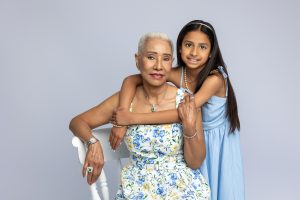
When it comes to studio photography, most people focus on the camera, lighting, or editing—but let’s get real: your wardrobe can make or break the shot. What you wear isn’t just about fashion. It’s about storytelling, confidence, and how you emotionally connect with the image. Especially in the controlled environment of a studio, your outfit plays a huge role in how your photos turn out.
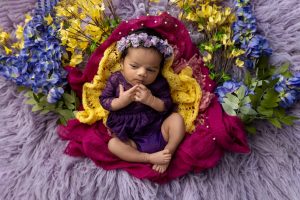
In cities like Philadelphia, where the creative scene is thriving and studio photography is booming, clients are realizing that wardrobe planning is not just an afterthought—it’s step one. Whether you’re prepping for a maternity shoot, family session, personal branding photos, or a romantic couple shoot, your clothing helps establish the visual vibe before the shutter even clicks.
So, why does it matter so much?
Professional photographers across Philadelphia agree: wardrobe isn’t just style—it’s strategy. So whether you’re posing in Fishtown, Northern Liberties, or a boutique studio in Old City, what you wear is just as important as where you stand or how you smile.
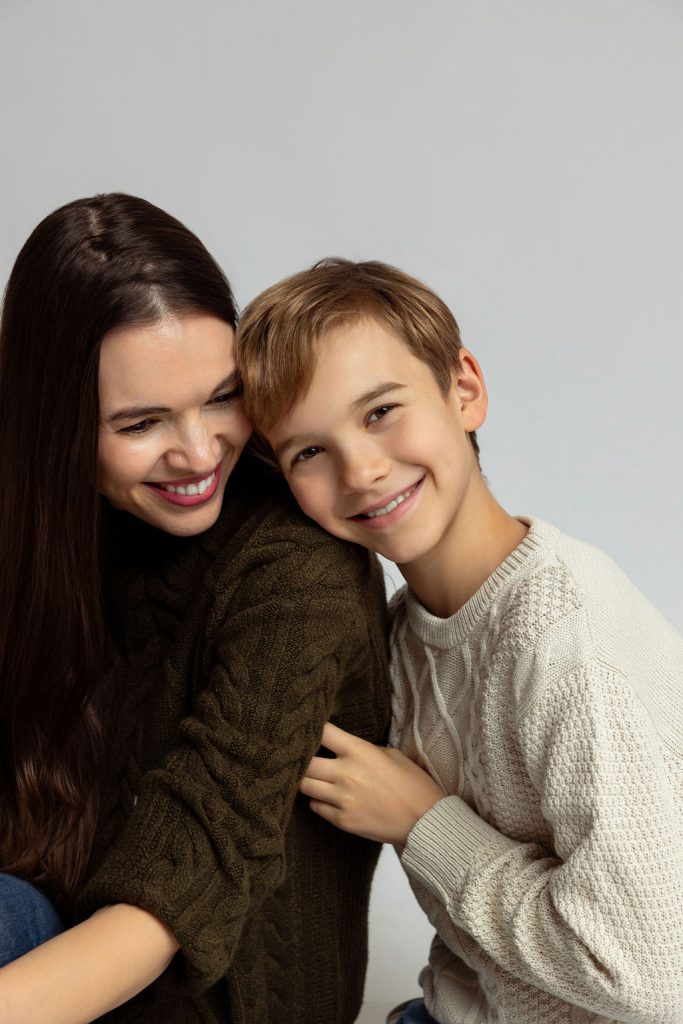
Ever notice how slipping into your favorite outfit instantly changes your energy? That’s not just psychological—it’s visual too. The mood you bring into the studio translates through your wardrobe, and the effect is powerful.
A flowing chiffon gown might make you feel ethereal, dreamy, even goddess-like. A leather jacket, on the other hand, might give you edge and attitude. A well-fitted suit commands authority and precision. Each wardrobe choice sets a tone, not just for the photo but for how you inhabit the photo.
Here’s the breakdown of how wardrobe influences mood and aesthetic in a studio session:
Photographers in Philadelphia often work closely with clients during pre-session planning to discuss wardrobe specifically because of this. A mismatched outfit can create visual tension. But when the clothing flows with the session’s energy, everything clicks—from your posture to your smile.
In the studio, you’re not working with natural distractions like trees, buildings, or scenery. You’re the main visual element. So your wardrobe becomes the bridge between what you feel and what the viewer perceives.
Bottom line? Wear your vibe. The mood you want to express should start at the wardrobe rack.
Let’s not sugarcoat it—first impressions matter, especially in studio photography. A photo tells your story in a split second, and your clothing is one of the most powerful tools in that instant narrative. Whether you’re preparing for a personal branding shoot or capturing family milestones, what you wear speaks volumes before you even strike a pose.
Think of your wardrobe as your visual voice. It tells the viewer something important about who you are, where you’re at in life, or what emotion you’re trying to convey. And in a city like Philadelphia—where clients include everyone from entrepreneurs and artists to expectant moms and entire families—wardrobe planning is a crucial storytelling tool.
Here’s how to get it right:
Philadelphia photographers often recommend bringing multiple outfit options. That way, you can adjust mid-shoot if something feels off or try both casual and elevated looks in one session.
Remember: a well-chosen outfit doesn’t just make you look good—it helps you tell your story. And in front of the lens, storytelling is everything.
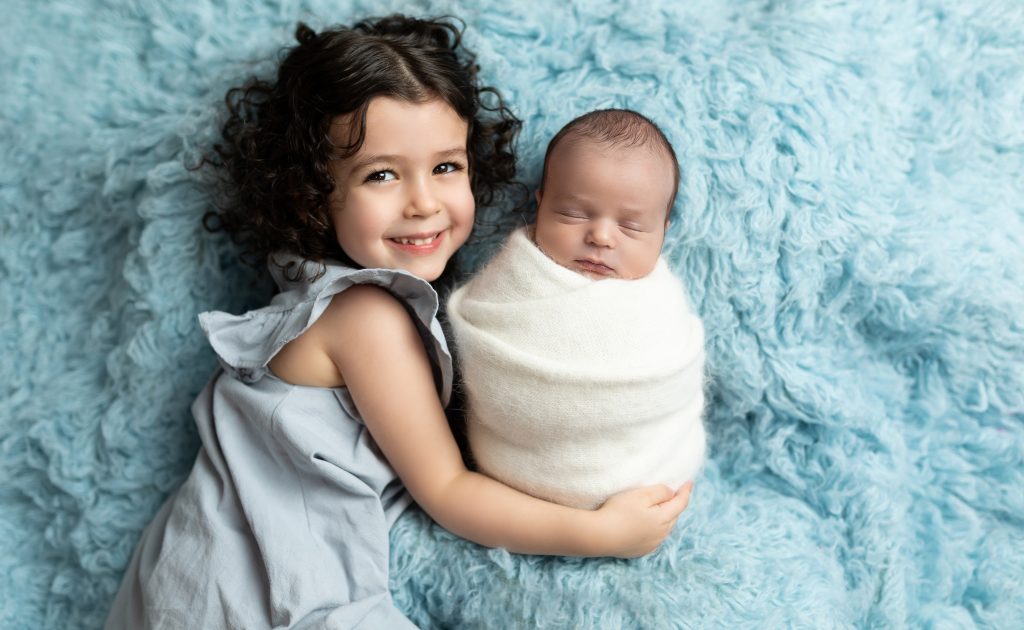
Studio photography is an art form—and lighting is its brush. What many people don’t realize, though, is that how light reacts to your clothing can completely change how you appear on camera. Certain fabrics glow; others reflect; some flatten you out, while others give you unexpected shine. Understanding how studio lighting interacts with different materials is key to choosing what to wear for your session.
In Philadelphia’s top-tier studios—like those in Center City or Chestnut Hill—photographers use sophisticated lighting setups with softboxes, umbrellas, and reflectors. This lighting is designed to flatter the skin and create depth. But it can also pick up every detail of your clothing—both the good and the bad.
Here’s what to consider:
If you’re unsure, most Philly photographers encourage a wardrobe consult beforehand—or even quick snapshots at home in similar lighting. Better to see how the fabric plays with light than to find out mid-session that your shirt is shining like a disco ball.
In the end, good wardrobe choices work with light, not against it. And when everything aligns—fabric, lighting, fit—you’ll get images that look editorial, polished, and full of life.
If there’s one golden rule for what not to wear in a studio shoot, it’s this: leave the shine at home. While glitter, sequins, and glossy materials can look fun in real life, they often wreak havoc under controlled lighting conditions. In studio sessions—where flashes and softboxes highlight every surface—these materials can become a visual distraction instead of an enhancement.
Here’s why they’re tricky:
In professional studios across Philadelphia, photographers work hard to balance light sources for even skin tones and flattering shadows. But when your outfit is fighting the light, they have to compensate—often at the cost of image quality or emotional tone.
Here’s what to do instead:
Also, avoid loud prints and large logos unless your shoot specifically calls for them (e.g., branded content or a street-style aesthetic). In most cases, simple wins.
Wardrobe planning is about balance. You want your clothing to complement your personality and let your expression shine—not battle for attention with a reflective surface. Less flash, more you.
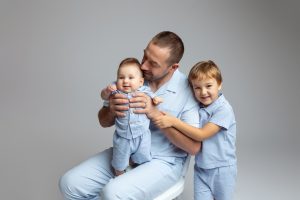
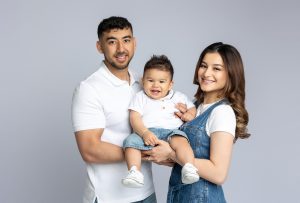
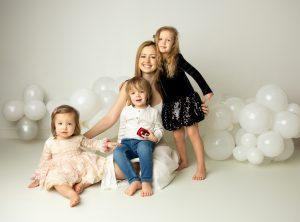
Every photoshoot has a different goal—and your wardrobe should reflect that. Whether you’re getting ready for a family portrait, a personal brand session, or a romantic shoot with your partner, your outfit needs to support the vibe and story you’re trying to tell.
Here’s a breakdown of wardrobe tips by session type, based on what works best in Philadelphia studio photography:
Each type of shoot has its own personality. And Philly’s photographers are known for working closely with clients to make sure every wardrobe choice reflects that vibe. Whether you’re in Manayunk or Mount Airy, dressing with intention ensures your story shines through.
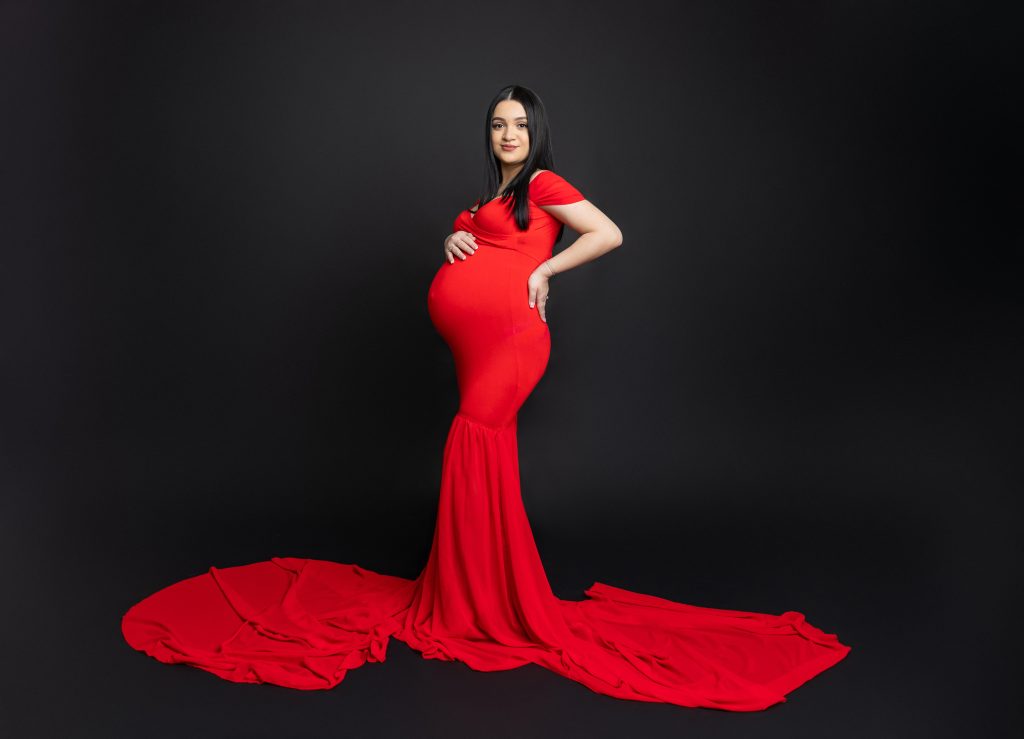
Color isn’t just decoration—it’s a silent language. The hues you wear in your studio session have a huge impact on how your images are perceived emotionally. Whether it’s soft and sentimental, bold and confident, or neutral and editorial, color sends a signal. And in the context of studio photography, where backgrounds are often controlled and minimalist, your clothing becomes the primary source of visual energy.
In Philadelphia, where photo studios often lean toward earthy tones, creamy whites, or moody backdrops, your outfit’s color plays a starring role.
Let’s break it down:
Neutrals—like ivory, cream, charcoal, and mocha—look good on everyone. They photograph well under studio lighting and let your expression take the spotlight.
Pro tip from Philly photographers: Always consider the background. If your studio has a dark backdrop, avoid wearing black or deep navy unless you want a “floating face” look. Likewise, all-white outfits against white walls can wash you out unless you add texture or layers.
Color psychology also matters:
Choose colors that reflect your mood and message. Not just what’s trendy, but what feels true.
Accessories are like the seasoning of your outfit—they enhance, not overpower. In studio photography, where simplicity and storytelling are key, the best accessories are the ones that subtly reinforce your vibe without stealing focus.
Let’s talk about what works—and what doesn’t—when it comes to accessorizing for studio sessions.
The rule of thumb? If it distracts from your face or your eyes, it’s too much.
Many Philadelphia studios even offer accessory kits or consults to help you decide what to bring. And the best ones? They’ll tell you to start with you. Your expressions, your movement, your energy—those are the stars. Accessories just support the story.
Wardrobe planning isn’t about fashion—it’s about intention. In studio sessions, where every light, shadow, and texture counts, what you wear becomes part of your story. It speaks before you do. And when chosen wisely, it amplifies everything that makes you you.
Whether you’re posing in Philadelphia’s creative photo studios for a maternity session, branding portrait, or cozy family shoot, remember: your outfit should support your message, flatter your form, and make you feel confident and present.
Don’t chase trends. Focus on timeless textures, color harmony, and emotional alignment. Choose outfits that fit your body and your story. Coordinate with your photographer. Layer thoughtfully. Accessorize with purpose. Then step into the studio knowing your wardrobe isn’t just a look—it’s a language.
Let your clothes support your power. Let the camera capture the rest.